
Why Hair Transplants Are the New “Cheat Code” on TikTok
Transformations, makeovers, and glow-ups have long since become a genre of their own on TikTok. While women showcase their transformations through makeup, fitness, or styling, men are increasingly presenting something different – hair transplants. Videos with before-and-after pictures garner millions of views, and for good reason.
Hair loss is a sensitive topic for many men, deeply impacting their self-confidence. This trend breaks the stigma; instead of secretly suffering from the loss, those affected proudly show the moment they decided on a permanent solution. In this article, we’ll be taking a look at how TikTok is giving young men a platform to talk about this issue and inspire others to take the leap.
- The “Cheat Code” Effect: More Than Just Hair
- Celebrities as Role Models: From Rooney to John Cena
- Why TikTok is More Impactful Than Filters and Wigs
- Patient Perspective: Between Community and Self-Confidence
- Elithair: State-of-the-Art Techniques and Visible Results
- Conclusion: From Taboo to Trend
- FAQs
The “Cheat Code” Effect: More Than Just Hair

In TikTok clips, men often describe their hair transplant as a “cheat code”, a kind of shortcut to a more attractive, younger version of themselves. The change goes beyond mere appearance:
- The hairline appears more defined.
- The face appears more harmonious.
- Self-confidence visibly increases.
- This effect goes far beyond outward appearance. Research on the mental toll of hair loss shows that those affected not only feel less comfortable in their own skin, but also fear being perceived as older and less worthy of attention than their peers.
Those who manage to experience their reflection as accurate again often gain a new sense of control and self-confidence in everyday life.
Celebrities as Role Models: From Rooney to John Cena
We also owe the social acceptance of hair transplantation to prominent examples. Athletes like Wayne Rooney or actors like James Nesbitt have spoken openly about their procedures
Even A-listers like John Cena have been candid about their hair transplantations in recent years. On social media, creators are picking up on this trend and normalising the topic for millions of viewers.
This is how a new culture is emerging; hair transplants are no longer taboo, but a step towards confidence. Instead of keeping the procedure secret, it is celebrated as a personal upgrade and a symbol of self-care.
Why TikTok is More Impactful Than Filters and Wigs
Filters, styling, or wigs can only temporarily mask hair loss, and the effect remains superficial. A hair transplant, on the other hand, provides a real and permanent change.
This is precisely what TikTok makes clear. Users not only show the end result, but also the entire healing process. This openness creates authenticity and trust, making it clear that it’s not a trick, but a real transformation.
Patient Perspective: Between Community and Self-Confidence

Beyond the viral success, there’s the personal side. Men report that they’ve found a supportive and motivating community through TikTok. The feeling of loneliness associated with hair loss transforms into a sense of belonging. And the decision to undergo a transplant leads to greater self-confidence in the long run, not just for the camera, but in everyday life.
Elithair: State-of-the-Art Techniques and Visible Results
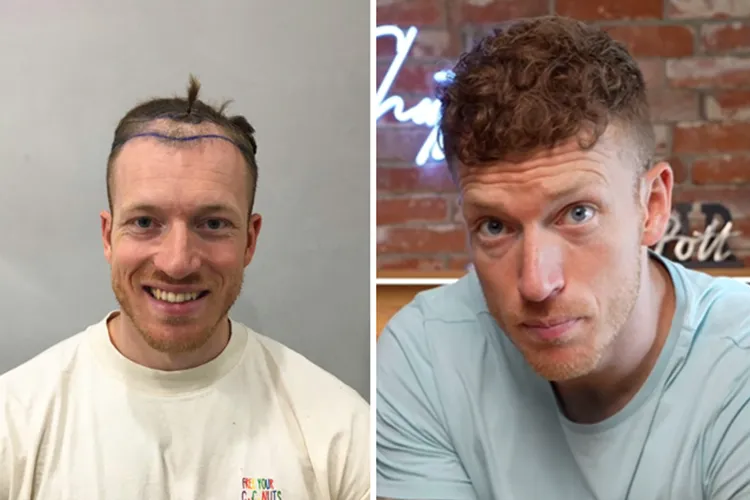
With over 150,000 patients treated, Elithair has already helped countless people achieve a full head of hair and renewed self-confidence. As the world’s largest hair transplant clinic, Elithair adheres to the highest standards and state-of-the-art methods.
Our procedures at a glance:
- FUE method: precise extraction of individual hair follicles
- DHI technique: direct implantation of the follicles, particularly gentle and with high control over growth direction and density.
The impressive before-and-after results speak for themselves. Patients report a visible change and a completely new outlook on life, not only in their appearance, but also in their self-confidence.
Conclusion: From Taboo to Trend
TikTok is making visible what has long remained hidden – the emotional benefits of a hair transplant. A sensitive topic is becoming an open dialogue and, for many men, the chance for a new lease on life.
Whether celebrated on social media or experienced in everyday life, hair transplantation is far more than a “cheat code”. It is the only medically sound, permanent solution against hair loss – restoring not just a full head of hair, but also a measure of self-confidence.
Get expert advice from Elithair now and start your personal transformation for full hair and a new sense of self-confidence.
FAQs
How long does a hair transplant take to heal?
Most patients can return to everyday activities after a few days, although complete healing and the final results typically take between 9 and 12 months. Initial shedding of transplanted hairs is normal during the first few weeks, and regrowth begins gradually from month three.
Is a hair transplant painful?
The procedure is generally well tolerated. Local anaesthesia ensures patients remain comfortable, and most describe the sensation as mild pressure rather than pain. Post-operative discomfort is minimal and usually manageable with over-the-counter medication.
How much does a hair transplant usually cost?
Prices vary depending on the number of grafts required, the technique used (such as FUE or DHI), and the clinic. Costs typically range from several hundred to several thousand pounds. A personalised quote is essential for an accurate figure.
Who is a suitable candidate for a hair transplant?
Ideal candidates are individuals with stabilised hair loss and sufficient donor hair at the back or sides of the scalp. A consultation is necessary to assess hair density, pattern of loss, and realistic expectations.
Are the results of a hair transplant permanent?
Yes. The transplanted follicles are resistant to the hormone responsible for pattern hair loss, meaning the new hair should continue to grow for life. However, surrounding non-transplanted hair may still thin over time.
Are there risks or side effects?
As with any medical procedure, there are potential risks, such as swelling, minor infection, temporary numbness, and uneven early growth. When performed by an experienced medical team, complications are uncommon and usually mild.
How natural do the results look?
Modern FUE and DHI techniques allow for precise placement of individual follicles, enabling natural-looking density and hairline design. When done properly, the results are virtually indistinguishable from natural hair growth.
Do hair transplants work for all types of hair loss?
Hair transplants are most effective for androgenetic alopecia (male pattern baldness). They may be less suitable for diffuse thinning, scarring alopecia, or hair loss caused by medical conditions unless those issues are stabilised.
Can younger men benefit from a hair transplant?
Younger men can benefit, but caution is advised. Hair loss can progress, so a long-term treatment plan and careful hairline design are essential to ensure natural results as they age.
What is living with a hair transplant like after TikTok fame fades?
Most patients report long-term boosts in confidence, regardless of whether they share their journey online. The real benefits tend to show up in everyday life—improved self-image, reduced anxiety, and greater ease in social and professional settings.

Use our free online assistant tool to submit your hair loss concerns – it only takes a few minutes. We will provide you with a personalised no-obligation quote.
Get a Quote