Why Are Millennials Losing Their Hair Earlier? Causes, Evidence & What to Do
Millennials, those born between 1981 and 1996, are used to being in the news – usually as the subject of derision for reasons as diverse as destroying various industries to eating too much avocado toast. Lately, however, millennials have been part of the discourse for a different reason – namely, hair loss.
Accordding to recent research, millennial men are reporting higher rates of hair loss, with the onset of balding occurring earlier than in previous generations, as young as 25 in some cases.
In addition, 60% of the participants in the study reported receding hairlines and significant hair loss. So what are the causes behind this surge in hair loss in millennials? In this article, we’ll try to get to the root of the issue.
Is Hair Loss Really Happening Earlier in Millennials?
Many people associate balding with middle age, an affliction that only hits people later in life. While it’s certainly common in your 30s and 40s, people can start losing hair at any point in their lives, and it isn’t unheard of to start experiencing hair loss in your 20s.
But are millennials really going bald earlier? Well, not quite. Experts believe that earlier detection, aesthetic preferences among young men, and increased awareness about both hair loss and hair restoration could account for the statistics we’re seeing. Millennial men simply have more information available to them on this topic than previous generations did.
What Drives Early Hair Loss?
Hair loss can be driven by a number of causes. When we talk about early hair loss, however, the kind affecting millennials and zoomers, there are two common causes – genetic pattern hair loss and diet.
Genetic Hair Loss – What is Androgenetic Alopecia?
Androgenetic alopecia, more commonly known as male pattern baldness (or female pattern baldness in women), is a hereditary form of hormonal hair loss. It is one of the most common forms of hair loss worldwide. If you have a family history of androgenetic alopecia, the likelihood of suffering from it yourself is relatively high.
This form of hair loss is driven by hormones, specifically dihydrotestosterone (DHT). DHT is produced in both male and female bodies, though its concentration is typically higher in males. In high concentrations, DHT can cause hair follicles to shrink over time, leading to hair loss and pattern baldness.
While this form of hair loss is most common in your 30s and 40s, that doesn’t mean it can’t occur earlier. If your genetic predisposition to this condition is high, or if you are dealing with circumstances that might exacerbate hair loss such as high stress or poor nutrition, it is not uncommon for this loss to be more apparent in your 20s.
Lifestyle & Modifiable Risk Contributors
While genetics and hormones are a leading cause of hair loss, this can be further exacerbated by lifestyle factors that you can address when seeking to slow the rate of your balding. It is important that you speak to your GP before attempting anything new, just to be certain that the following factors are proving to have a negative health on your hair health.
Diet and Nutrition
Certain foods are beneficial to the body. Adequate protein, iron, zinc, vitamin D and other micronutrients are vital for healthy hair growth. Diets low in these nutrients (such as poorly planned vegan/vegetarian diets), crash-diets or high-glycaemic-index eating patterns may lead to increased hair shedding (telogen effluvium) or exacerbate underlying genetic thinning.
However, low nutrient intake alone is rarely the sole cause of irreversible baldness; rather, it may act as a trigger or accelerant in people with susceptible follicles.
Stress and Lifestyle Challenges
Modern lifestyles are associated with higher perceived stress levels, sleep disruption and sedentary behaviour. Physiological stress (illness, surgery, major emotional events) can push hair into the resting (telogen) phase, producing diffuse shedding 2–3 months later (telogen effluvium). Chronic stress may accelerate underlying pattern thinning.
Exercise, Supplements, & Hormones
Some younger men engage in high-intensity bodybuilding, use anabolic-steroids or high-protein supplementation, all of which may alter hormonal balance (including increasing testosterone → DHT) and potentially accelerate follicle miniaturisation in predisposed individuals. That said, the evidence remains limited and individual risk varies.

Hair-care Practices, Styling & Scalp Health
Frequent chemical bleaching, tight hairstyles, heat-styling and use of heavy hair-extensions can contribute to traction alopecia or hair-shaft fragility. While this is more common in certain populations, the overall impact on global hair-loss for millennials is likely modest.
Other Medical & Environmental Factors
It’s important to remember: thyroid disease, iron-deficiency anaemia, chronic illness, certain medications and autoimmune alopecia (alopecia areata) can all cause hair-loss in young people. Always consider a medical check-up if rapid or unusual patterns of loss appear.
The Millennial Context: Why Now and Why Us?
While it might, from the outside, seem that Millennials are unqiue in suffering from hair loss, in both age and number, this is not entirely the case. Some of the reasons why Millennials might consider themselves over-represented when it comes to hair loss incldue:
- Social media & image-culture: Millennials grew up in the age of selfies and Instagram, often equating hair with youth, attractiveness and self-confidence.
- Earlier detection and clinic access: Younger patients are more informed and proactive about hair-loss; clinics are more accessible and visible.
- Generational shifts in diet, stress and lifestyle: Vegan/vegetarian diets, high-intensity fitness culture, earlier life stressors and variable sleep patterns may contribute to earlier triggers of hair-loss than in previous generations.
- Better awareness and diagnosis: Awareness of hair-loss and treatment options has grown, so younger people are more likely to seek help—and therefore data appears to show more “young balding”.
What Can Millennials Do Now?
A hair transplant provides the only long term solution to balding, whereby hair follicles are implanted into the areas of hair loss. These hair follicles produce new hair growth to restore a full head of hair. Therefore, if you are going bald, you can reverse the signs of balding with this one-time effective treatment. To learn more about how the procedure works, costs, and what to expect when getting treatment abroad, read our Hair Transplant Turkey Guide.
While a hair transplant can show you how to stop going bald, for prevention there are a few options. If you want to learn how to prevent going bald, you need to pay close attention to your family history if there is a pattern of hair loss and be vigilant to any changes in your hair loss. Maintaining a healthy diet to ensure there are no nutrient deficiencies, using products like Minoxidil to slow loss, and using the right hair care products are all ways to help prevent hair loss.
Hair care and supplements
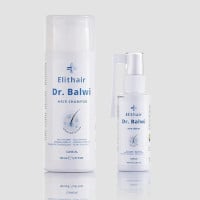
In addition, there are certain hair care solutions that can help to keep your hair follicles intact in order to prevent baldness and help you maintain a healthy head of hair. The serum and shampoo available from Elithair contain rich, potent, non-toxic ingredients that work to promote hair growth at the source of your hair follicles.
Meanwhile, biotin and keratin capsules can act as powerful food supplements that promote hair growth from the inside out. Mesotherapy can also be effective with micro needling in order to get to the deepest layers of the hair follicles. Together, all of these products promote hair growth, prevent baldness, and give you a healthy head of hair.
Have you tried Dr. Balwi’s hair care products?
Thanks to a unique combination of ingredients your hair receives the essential nutrients that nourish the roots and hair and prevent their loss, our products contains everything your hair needs! In addition unlike ordinary hair care products, ours tackle the problem at the root. Because a stronger and vitalised scalp produces resistant and, of course, healthy hair
Conclusion
There are many different reasons why millennials are experiencing more frequent balding. From stress, to diet, to going overboard at the gym, understanding the cause for your hair loss is key to finding an effective solution that works for you.
Do you have more questions or are you suffering from hair loss issues? Then feel free to contact our friendly team that will answer all your queries about hair restoration. Furthermore they can also offer a free and non binding hair analysis!
FAQ
What are the genetic factors contributing to hair loss in millennials?
Genetic predisposition plays a significant role in hair loss, with conditions like androgenetic alopecia often inherited from either parent, leading to early onset hair thinning and baldness.ro
How does modern lifestyle and environmental factors affect hair health in millennials?
Modern lifestyles, including high stress levels, poor dietary habits, exposure to pollution, and use of chemical-laden hair products, can contribute to increased hair loss among millennials.lm
Can hormonal imbalances be a cause of hair loss in millennials?
Yes, hormonal imbalances, often exacerbated by stress, certain medications, or health conditions like thyroid issues, can lead to hair loss in both men and women.
What role does digital device usage play in hair loss among millennials?
Excessive use of digital devices can lead to poor posture and stress, potentially contributing to hair loss. Additionally, blue light exposure from screens can disrupt sleep patterns, impacting overall health and hair growth. t
Are there any specific preventive measures millennials can take to avoid hair loss?
Preventive measures include maintaining a balanced diet, managing stress through mindfulness or exercise, avoiding harsh hair treatments, and regularly consulting with a healthcare provider for any underlying health issues.

Use our free online assistant tool to submit your hair loss concerns – it only takes a few minutes. We will provide you with a personalised no-obligation quote.
Get a Quote