The Intimacy of the Scalp: The Difference in Touch Post-Transplant
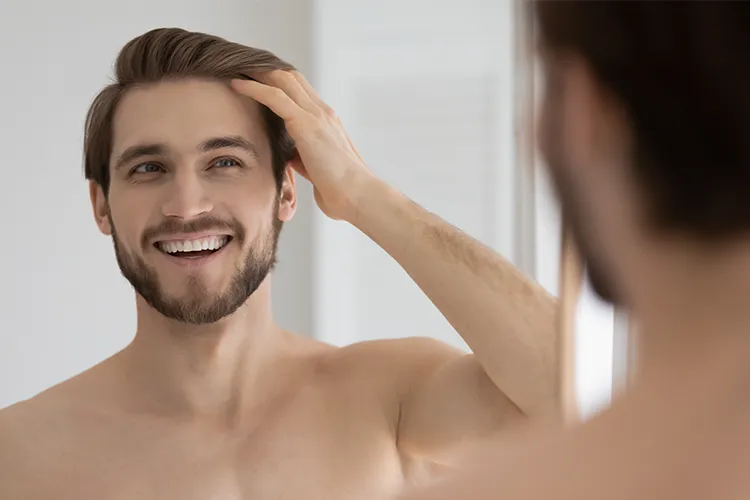
A hair transplant doesn’t just change your appearance, it changes how you experience your own body. Many people report that, after the procedure, touches to the scalp feel different, more intense, or even pleasant for the first time in a long time.
Where there was previously insecurity, tension, or even pain, a new sense of well-being returns, and with it, a greater emotional connection to oneself and others. But why is the scalp so sensitive, and what happens to it after a hair transplant? That’s what we’ll be discussing in this article.
- Nerve Regeneration: When Feeling Returns
- Closeness and Trust: The Head as a Site of Intimacy
- Partnerships and Intimacy: When Touch is Welcome Again
- Long-term Change: A New Relationship With One’s Own Body
- Cultural Significance: The Head as a Site of Dignity and Identity
- Conclusion: Touch as Reconnection
- FAQs
Nerve Regeneration: When Feeling Returns
After the transplant, sensory perception in the scalp shifts and changes. Temporary numbness, tingling, or sensitivity to touch are typical during the first few weeks. These signs of nerve regeneration are usually harmless and part of a natural process.
- The nerves in the skin, which are minimally damaged during the FUE technique or DHI method, regenerate within a few months.
- This changes the sensory perception; touch may initially feel unfamiliar or strange.
- Many report that their head “becomes part of them again” both in how it looks and how it feels.
Closeness and Trust: The Head as a Site of Intimacy
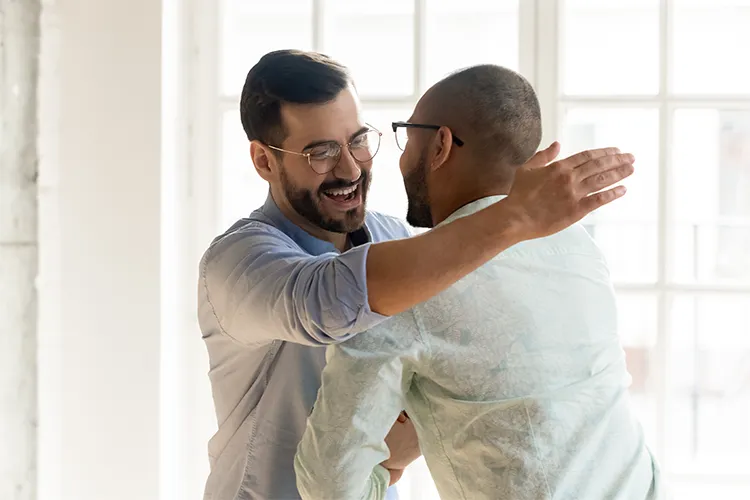
The scalp is a highly emotionally-charged area of the body – it is closest to the brain, vulnerable, and full of sensitive nerves. A touch in this area means:
- Trust: Only a few people are allowed to touch our head, often partners or medical professionals.
- Affection: A hand on the head is instinctively perceived as caring or connecting.
- Proximity: Allowing yourself to be touched on the head means allowing a degree of physical closeness usually reserved for people with whom you feel emotionally close.
After a hair transplant, this closeness is often rediscovered or made possible again. For some, it’s the first time in years that they can relax at the hairdresser’s or allow a loved one to stroke their hair without feeling insecure.
Partnerships and Intimacy: When Touch is Welcome Again

Not only does one’s self-image change after a hair transplant, but relationships with other people can also change due to the new perception of the scalp:
- Tenderness is allowed again where previously there was withdrawal.
- Touch no longer trigger tension, but rather closeness.
- Some report that intimate moments are experienced more deeply because the scalp feels like part of one’s own body again.
How a hair transplant affects relationships is often shown by the fact that it is far more than just a cosmetic change, allowing people to be more confident and present in their partnerships again.
Long-term Change: A New Relationship With One’s Own Body
Even months after the procedure, many patients describe a lasting change in sensation:
- The scalp no longer feels numb or inconsequential.
- Touch is heightened, more enjoyable.
- Hair styling evolves from a chore to a ritual of self-care.
This new feeling is often subtle but profound. It shows that a hair transplant not only has an outward effect, but can also have a lasting impact on one’s relationship with one’s own body.
Cultural Significance: The Head as a Site of Dignity and Identity

In many cultures, the head is considered a particularly sensitive area – a center of identity, spirituality, or dignity. Touching it is not only physically but also symbolically significant and closely linked to cultural ideals of beauty.
Hair loss in this context can be perceived as a loss of protection, strength, or prestige, which further intensifies the emotional burden. This makes a hair transplant all the more significant: not only as reconstruction, but as a restoration of integrity and self-respect.
Conclusion: Touch as Reconnection
After a hair transplant, a new relationship with one’s own scalp begins. Touch, closeness, and affection become possible again.
Those who allow themselves to be touched again, by themselves or others, have achieved more than an aesthetic result: they have regained trust in their own body.
Get expert advice from Elithair now and find out how you too can permanently regain your confidence and natural hair appearance.
FAQs
How long does altered scalp sensitivity last after a hair transplant?
Changes in scalp sensation are usually temporary. Mild numbness, tingling, or heightened sensitivity can last from a few weeks to several months, depending on individual healing and the technique used. In most cases, normal or improved sensation gradually returns as the nerves regenerate.
Is increased scalp sensitivity after a transplant a sign of a problem?
No, increased sensitivity is generally a normal part of the healing process. It often indicates nerve regeneration rather than damage. However, persistent pain, swelling, or discomfort should always be discussed with a medical professional.
Can a hair transplant permanently change how the scalp feels?
For most patients, long-term sensation returns to a natural baseline or improves compared to before the procedure. Permanent changes in sensation are rare when modern techniques such as FUE or DHI are used correctly.
Does everyone experience emotional or sensory changes after a hair transplant?
Not everyone experiences the same emotional or sensory shifts. While many people report a deeper sense of connection to their scalp and body, others may notice more subtle changes. Emotional outcomes are influenced by personal expectations, self-image, and previous experiences with hair loss.
When is it safe to allow others to touch the scalp again?
Light, careful contact is usually safe once initial healing has taken place, often after 10–14 days. More relaxed touch, such as at the hairdresser or with a partner, is typically comfortable again after several weeks, once scabs have fallen away and tenderness has subsided.
Does scalp sensitivity affect hair growth results?
No, changes in sensation do not influence the success of hair growth. Hair regrowth depends on follicle survival, blood supply, and proper aftercare rather than sensory perception.
Are emotional benefits of a hair transplant medically recognised?
Yes. While emotional effects vary, studies and clinical experience show that hair restoration can improve self-esteem, body image, and social confidence. These psychological benefits often accompany the physical results of the procedure.
Can previous scalp pain or tension improve after a transplant?
In some cases, yes. Patients who previously experienced scalp tension related to stress, insecurity, or chronic sensitivity report that these sensations ease once hair density is restored and anxiety around hair loss diminishes.
Is the scalp more emotionally sensitive than other parts of the body?
The scalp is both physically and emotionally sensitive due to its dense nerve network and symbolic role in identity and appearance. Touching the head often carries deeper emotional meaning than touch elsewhere on the body.
How should patients care for their scalp to support nerve recovery?
Gentle washing, avoiding scratching, protecting the scalp from sun exposure, and following medical aftercare advice all support healthy healing. Patience is key, as nerve regeneration is gradual and cannot be rushed.

Use our free online assistant tool to submit your hair loss concerns – it only takes a few minutes. We will provide you with a personalised no-obligation quote.
Get a Quote