
Single-Cell Sequencing in Hair Medicine: Could Individual Cells Determine Transplant Success?
Hair loss rarely feels merely “superficial.” Many sufferers experience it as a gradual loss of control; the hair becomes finer, its density decreases, and some areas seem to react worse than others. This is precisely where a new field of research comes in, one that is currently receiving a great deal of attention – so-called single-cell sequencing.
The idea behind it is that it is not the scalp as a whole that determines hair growth or transplantation success, but the behavior of individual cells. In this article, we’ll be breaking down the science behind single-cell sequencing in hair restoration, and what it could mean for you and your transplant.
What is Single-Cell Sequencing?
Single-cell sequencing is a method of molecular biology analysis in which individual cells are isolated and genetically evaluated. While classical analyses only provide average values for entire tissues, this technique reveals what is actually happening at the cellular level. Each cell is analysed separately – with all its individual activity patterns, signaling pathways, and inflammatory markers taken into account.
Applied to hair medicine, this means that hair follicles, surrounding stem cells, immune cells, or vascular cells can be examined individually. This allows researchers to identify which cell types actively contribute to regeneration and which processes inhibit hair growth.
What Single-Cell Analysis Reveals
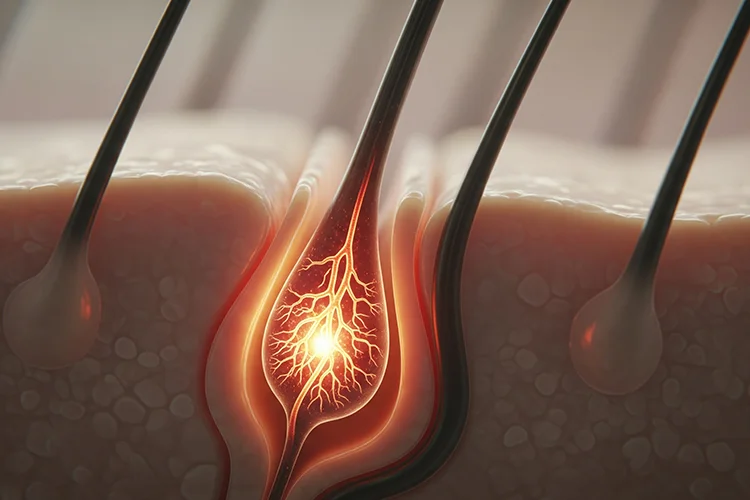
This high-resolution analysis reveals previously hidden differences within the scalp. Research shows that even neighboring hair follicles can react completely differently. Among other things, the following become visible:
- Different cell types within a hair follicle
- Activity states of stem and progenitor cells
- Inflammatory markers that indicate silent chronic irritation
- Indications of regeneration or aging processes of individual cells
What is particularly interesting is that some follicles are biologically in a kind of “starting position”, while others are in a slowed or blocked state, even though they might look the same externally.
Why is This Relevant for Hair Transplants?

For years, a well-known phenomenon has been observed in practice – after a hair transplant, some grafts grow faster, stronger, and more stably than others. Until now, this could only be explained in broad terms; for example, by blood circulation, technique, or aftercare. Single-cell analyses now provide an additional perspective.
Research suggests that the biological condition of the transplanted cells is crucial. Grafts with active, regenerative cell populations appear to adapt to the new environment more quickly. Others react more slowly because inflammatory processes, stress signals, or age-related changes at the cellular level slow down the process.
This does not mean that individual hairs are “good” or “bad”, but rather that biological conditions can influence the course of the disease.
More Precise Diagnostics, No Guarantees
In discussing all this, it is important to remain realistic in our perspective. Single-cell sequencing offers no guarantees. Even the most advanced cell analyses cannot make a 100% accurate prediction. However, they do shift the focus from general assumptions to probabilities.
In the long term, this opens up new opportunities for:
- More individualised treatment planning
- More realistic assessment of growth trajectory
- better understanding of delayed or differing results
This is still a future research topic; complex, costly, and not currently part of clinical routine. However, the insights gained are already indirectly influencing modern treatment approaches.
Modern Pre-testing Today: The Elithair Pre-Test System
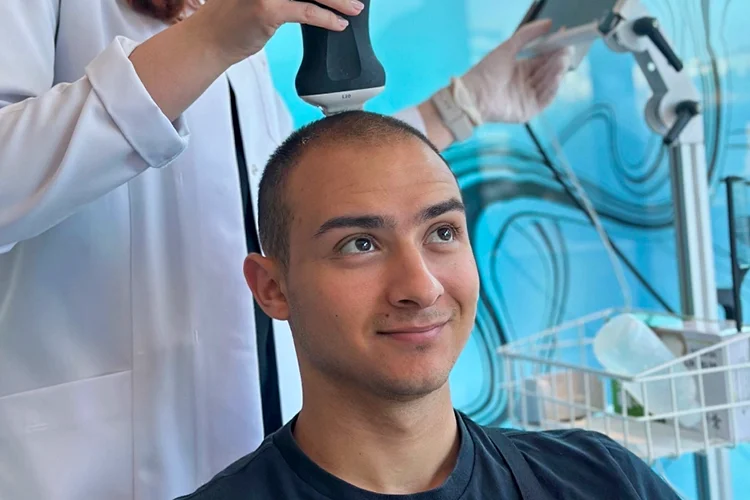
Even without single-cell sequencing, many crucial factors can be reliably assessed. At Elithair, a comprehensive preliminary examination is an integral part of the treatment planning process. This is based on our exclusive Pre-Test System, which systematically analyses various biological and structural baseline parameters.
The following data is recorded, among other things:
- Current hair status and hair density in different areas
- Quality and availability of the dispenser area
- Condition of the scalp, including possible signs of inflammation
- Individual starting factors such as hair type, hair thickness and growth pattern
This diagnostic method already makes it possible to identify differences between individual areas of the scalp, realistically assess potential risks, and precisely plan hair transplantation long before the actual procedure takes place. Modern hair medicine thus begins not in the operating room, but with a thorough analysis beforehand.
Conclusion: A Fascinating New Perspective and a Clear Step Forward
Single-cell sequencing reveals the highly differentiated mechanisms by which hair growth is actually controlled – and that it is not the scalp as a whole, but rather individual cell processes that determine regeneration and growth. For hair medicine, this means above all one thing: a deeper biological understanding, but not a guarantee of a perfect result.
At the same time, it is clear that modern preliminary examinations already allow for well-founded conclusions. Experience, precise diagnostics, and realistic planning are crucial – not waiting for future technologies.
Let our experts advise you, learn more about your individual hair situation and the realistic possibilities of a modern hair transplant – based on what is already reliably possible medically today.
FAQs
How is single-cell sequencing actually performed in practice?
Single-cell sequencing involves isolating individual cells from a tissue sample, such as a small section of scalp containing hair follicles. These cells are then separated using specialised laboratory techniques and analysed to examine their genetic activity. Advanced sequencing machines read the RNA or DNA within each cell, allowing researchers to understand which genes are active, suppressed, or altered. The process is technically demanding and currently confined to research settings due to its complexity and cost.
Is single-cell sequencing currently available to patients undergoing hair transplantation?
At present, single-cell sequencing is not part of routine clinical practice in hair transplantation. The technology is primarily used in research environments and academic studies. While it provides valuable biological insights, it remains too complex, time-intensive, and expensive for everyday patient diagnostics. However, the knowledge gained from ongoing research may gradually influence future diagnostic tools.
Could single-cell sequencing help identify the best donor hairs for transplantation?
In theory, yes. If researchers can determine which follicles contain highly active regenerative cells, it may one day become possible to select grafts with the greatest growth potential. However, this concept remains speculative at present. Current transplant techniques rely on macroscopic assessment of donor density, hair quality, and scalp condition rather than cellular-level analysis.
Are there any risks associated with analysing scalp cells at this level?
The sequencing process itself is performed on extracted tissue samples and does not pose additional risks beyond the minor biopsy required to obtain cells. However, as the procedure is not currently part of routine hair transplant planning, it would involve additional intervention solely for research purposes. Ethical and practical considerations therefore limit its widespread use.
How does inflammation affect hair transplant success at the cellular level?
Chronic low-grade inflammation can alter the activity of stem cells within the hair follicle. It may disrupt signalling pathways that regulate growth and regeneration, leading to slower or weaker hair production. Single-cell analysis has shown that inflammatory markers can vary significantly between neighbouring follicles, potentially explaining why some grafts perform better than others after transplantation.
Could single-cell research lead to new medical treatments for hair loss?
Yes, this is one of the most promising aspects of the research. By understanding which cellular pathways are disrupted in hair loss, scientists may be able to develop targeted therapies that reactivate dormant follicles or reduce harmful inflammatory processes. Such treatments could complement or, in some cases, reduce the need for surgical intervention in the future.
How long might it take before single-cell sequencing becomes clinically useful in hair medicine?
Translating laboratory discoveries into practical clinical tools often takes many years. Large-scale studies, regulatory approval, and cost reduction would all be necessary before routine use becomes feasible. While it is difficult to predict an exact timeline, widespread clinical implementation is unlikely in the immediate future.
Does age influence cellular activity within hair follicles?
Yes, ageing can affect stem cell activity, regenerative capacity, and inflammatory responses at the cellular level. Single-cell analysis has revealed that some follicles show molecular signs of ageing even when visible hair remains present. This may partially explain why hair density and growth speed decline over time.
How does single-cell sequencing differ from traditional scalp diagnostics?
Traditional diagnostics evaluate the scalp and hair follicles as a whole, often focusing on visible density, scalp health, and general patterns of hair loss. In contrast, single-cell sequencing examines the molecular behaviour of individual cells. Rather than providing an average overview, it identifies subtle biological differences that would otherwise remain undetected.
What should patients realistically expect from current hair transplant diagnostics?
Patients should expect a thorough clinical examination that assesses donor capacity, scalp condition, and overall suitability for transplantation. While advanced molecular technologies may shape the future, current diagnostic systems already allow for highly precise planning when performed by experienced specialists. Realistic expectations, careful assessment, and personalised treatment strategies remain the foundation of successful outcomes.

Use our free online assistant tool to submit your hair loss concerns – it only takes a few minutes. We will provide you with a personalised no-obligation quote.
Get a Quote