Fat for Hair Transplants: Can Fatty Tissue Improve Hair Growth?
The search for new ways to promote hair growth continually leads modern medicine down surprising paths. One much-discussed approach is the use of stem cells from the body’s own adipose tissue.
But how exactly does fat influence hair growth? And can a combination of fat cells and hair transplantation actually deliver better results?
In this article, we take a scientifically sound look at the research surrounding adipose stem cells, their potential role in hair regeneration – and what is realistically possible today.
What is Fat-Based Hair Therapy?
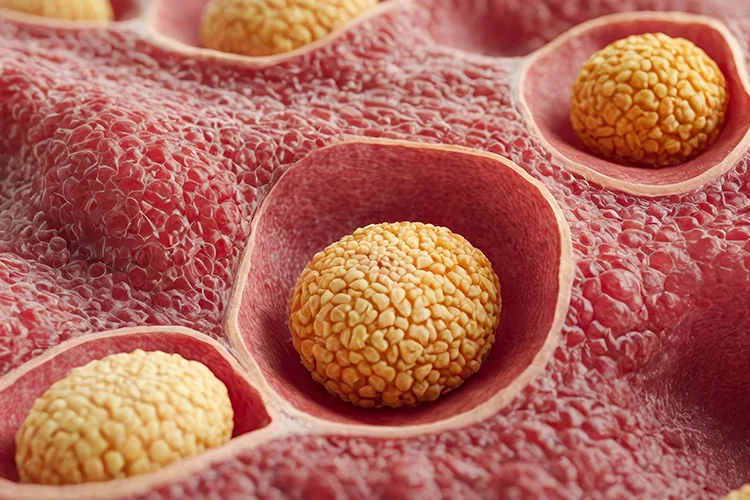
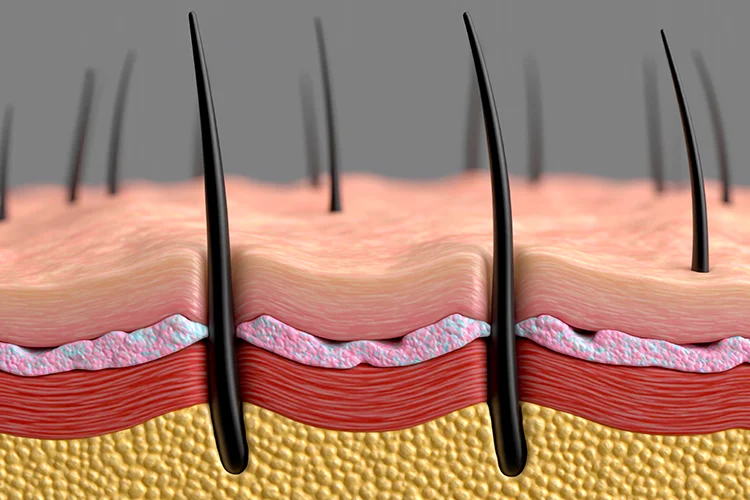
This method does not involve directly transplanting fat tissue, but rather the stem cells it contains, the so-called adipose-derived stem cells (ADSCs) . Under certain conditions, these can stimulate hair growth because they:
- Release growth factors that can influence the activity of the hair follicles.
- Possess anti-inflammatory properties and
- Can improve blood circulation in the scalp
The goal is to use these cells to create a favorable environment for hair growth, especially in combination with hair transplantation or in cases of incipient hair loss.
How Does the Application Work?
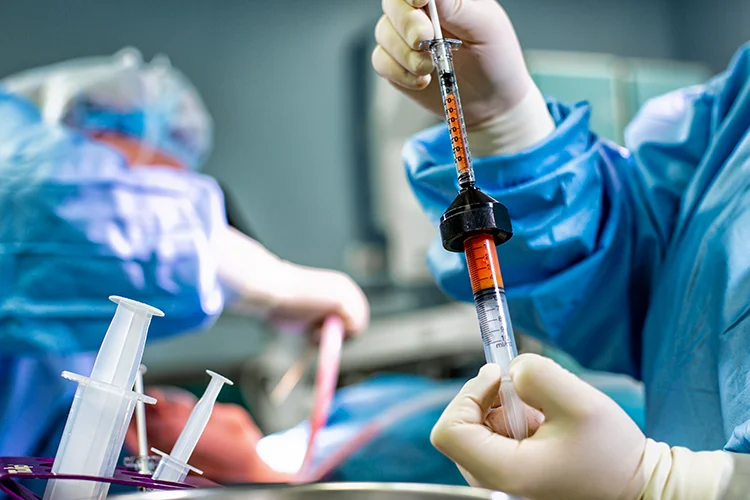
The application usually takes place in several steps:
- Fat harvesting (liposuction)
– A small amount of fatty tissue is gently removed from body areas such as the abdomen or thighs. - Processing
– The extracted fat is specially processed to isolate the stem cells. This can be done mechanically (e.g., by centrifugation) or enzymatically. - Injection into the scalp
– The processed cells or the microfat obtained from them are injected specifically into hairless or thinning areas.
This technique is often used in combination with a hair transplant to further stimulate the transplanted hair and support the healing tissue.
What Does the Research Say?
Scientific research into this method is still in its infancy, but shows promising approaches:
- Studies show that ADSCs can increase hair density in patients with androgenetic alopecia – but only to a limited extent and with individual response.
- Other studies suggest that a combination of transplantation and ADSC injections can positively influence the healing and growth of the transplanted grafts.
- The so-called nanofat therapy – a variant using particularly finely processed fat – is also currently being investigated in studies, especially with regard to its regenerative effect on skin and hair follicles.
Nevertheless, it remains true that long-term and large-scale clinical trials are still lacking. The methods are currently considered experimental, although not without potential.
Advantages and Limitations at a Glance
Possible Advantages:
- Regeneration of damaged follicles in cases of early hair loss
- Improvement of skin blood flow and microcirculation
- Supporting wound healing after hair transplantation
- Using the body’s own cells – no foreign substances
Current Limitations:
- No substitute for a transplant in cases of advanced hair loss
- Results are not permanently proven.
- The procedure is not yet standardised or widely approved.
- The effect is highly dependent on individual biology and hair condition.
Where is This Method Currently Being Used?
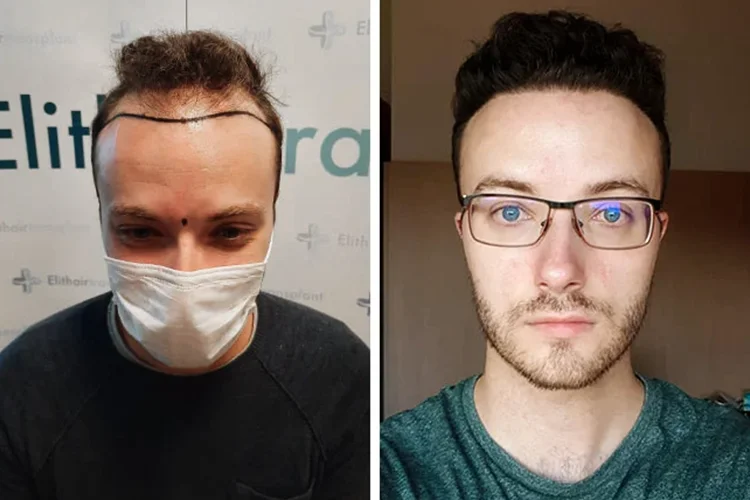
Several specialized clinics worldwide are currently testing adjuvant therapies using stem cells from adipose tissue, usually in combination with a traditional hair transplant. It is important to note that fat transplantation does not replace the transplant, but can, potentially, serve as a complementary support during the regeneration phase.
In hair medicine, modern autologous hair transplantation remains the only procedure with proven effectiveness. In particular, the established methods FUE (Follicular Unit Extraction) and DHI (Direct Hair Implantation) achieve natural and aesthetically convincing results.
- FUE: gentle extraction of individual hair follicles, minimally invasive and with few scars
- DHI: direct implantation with high control over growth direction and density
- Both methods allow for precise shaping of the hairline and lasting results – without an artificial look.
Nanofat is also increasingly used in aesthetic medicine, for example for facial skin rejuvenation. However, the use of fat stem cells in hair medicine is still in its infancy – research is ongoing, but successes have so far been limited.
Conclusion: Innovative, But Not Yet a Replacement for Transplants
The idea of using the body’s own fat to promote hair growth is fascinating and shows how far hair medicine has progressed. Initial studies confirm the regenerative potential of fat stem cells – but widespread, standardised use is not yet realistic.
Anyone looking for a reliable solution to hair loss today should rely on proven methods such as modern hair transplantation. Combining this with regenerative procedures – such as PRP or, in the future, ADSCs – can be supportive, but cannot replace transplanted hair.
FAQs
Who is a suitable candidate for fat-based hair therapy?
Fat-based hair therapy is most suitable for patients in the early stages of hair loss or those undergoing a hair transplant who wish to support healing and graft survival. It is not recommended for individuals with advanced baldness, as it cannot create new hair follicles where none remain.
Is fat-based hair therapy safe?
When performed by experienced medical professionals, the procedure is generally considered safe because it uses the patient’s own tissue. However, as the method is still experimental, risks such as infection, uneven results or lack of response cannot be completely ruled out.
How long do the results of fat-derived stem cell therapy last?
The durability of results is currently unclear. Existing studies suggest that any improvement in hair density or scalp quality may be temporary, and maintenance treatments could be required. Long-term data is not yet available.
How soon can results be expected after treatment?
If a response occurs, early improvements in scalp condition may be noticeable within a few weeks. Visible changes in hair growth, where they occur, typically take several months and vary greatly between individuals.
Can fat-based hair therapy be used on its own without a hair transplant?
Yes, it can be used as a standalone treatment in cases of mild or early hair thinning. However, the results are limited, and it should not be viewed as an alternative to hair transplantation for significant hair loss.
How does fat-based hair therapy compare to PRP (Platelet-Rich Plasma)?
Both therapies aim to stimulate hair follicles using the body’s own regenerative components. PRP is better studied, more widely used and standardised, while fat-derived stem cell therapy may offer stronger regenerative potential but lacks sufficient clinical evidence at present.
Is the procedure approved or regulated?
Regulatory approval varies by country. In many regions, fat-derived stem cell treatments for hair loss are considered experimental and are not yet fully standardised or officially approved for routine use.
How much does fat-based hair therapy typically cost?
Costs vary depending on the clinic, country and whether the therapy is combined with a hair transplant. Because it involves liposuction and cell processing, it is usually more expensive than PRP and is often not covered by insurance.
Does everyone respond to fat-derived stem cell therapy?
No. Individual response varies significantly and depends on factors such as genetics, age, hormonal status and the condition of existing hair follicles. Some patients may see minimal or no benefit.
Could fat-based hair therapy become a standard treatment in the future?
Possibly. Ongoing research and future large-scale clinical trials may lead to improved protocols and standardisation. Until then, it remains a promising but experimental adjunct rather than a mainstream treatment.

Use our free online assistant tool to submit your hair loss concerns – it only takes a few minutes. We will provide you with a personalised no-obligation quote.
Get a Quote