


Hair Transplant Surgery Explained: Techniques, Results & Benefits
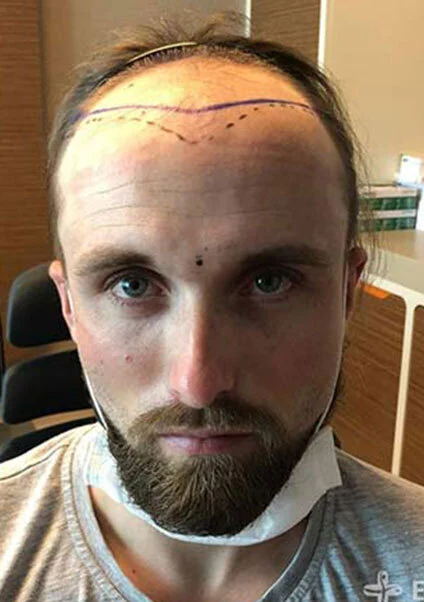
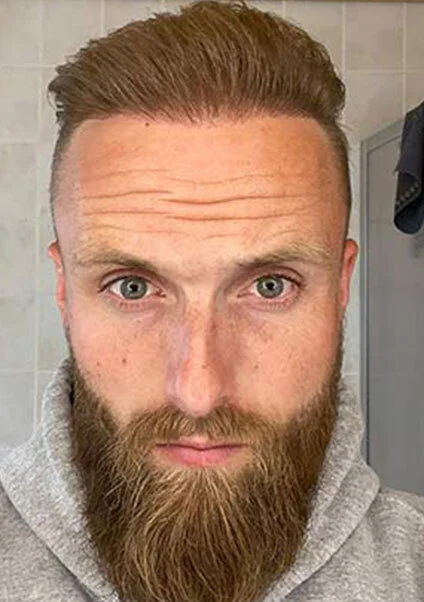
Hair transplants are a highly effective solution for hair loss, especially for men and women facing androgenetic alopecia (AGA). The procedure involves extracting healthy follicles from a donor area and implanting them into thinning or bald areas, using advanced techniques for natural, lasting results.
With the FUE method leading in extraction and innovative implantation techniques like DHI, today’s transplants are painless, precise, and offer fast recovery. Restore your hair and confidence with cutting-edge treatments tailored to you.
Get a Free Hair Analysis!
How Does a Hair Transplant Work?
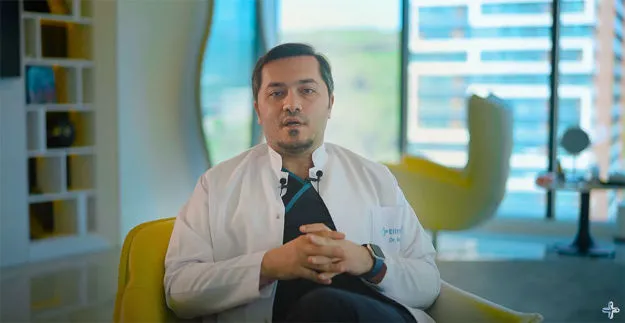
Your hair restoration journey with Elithair begins even before you step into the clinic, thanks to our exclusive NEO FUE Set, delivered straight to your door.
Developed by Dr. Balwi, this innovative preparation kit includes two powerful serums and a derma roller, designed to strengthen your hair grafts and optimise your scalp for treatment.
The result? A dramatically improved hair growth rate of up to 98%, ensuring stronger, healthier, and longer-lasting results. Start your transformation the right way with Elithair’s pioneering techniques.
Your Safety First: Sterilisation Protocols & Patient Protection
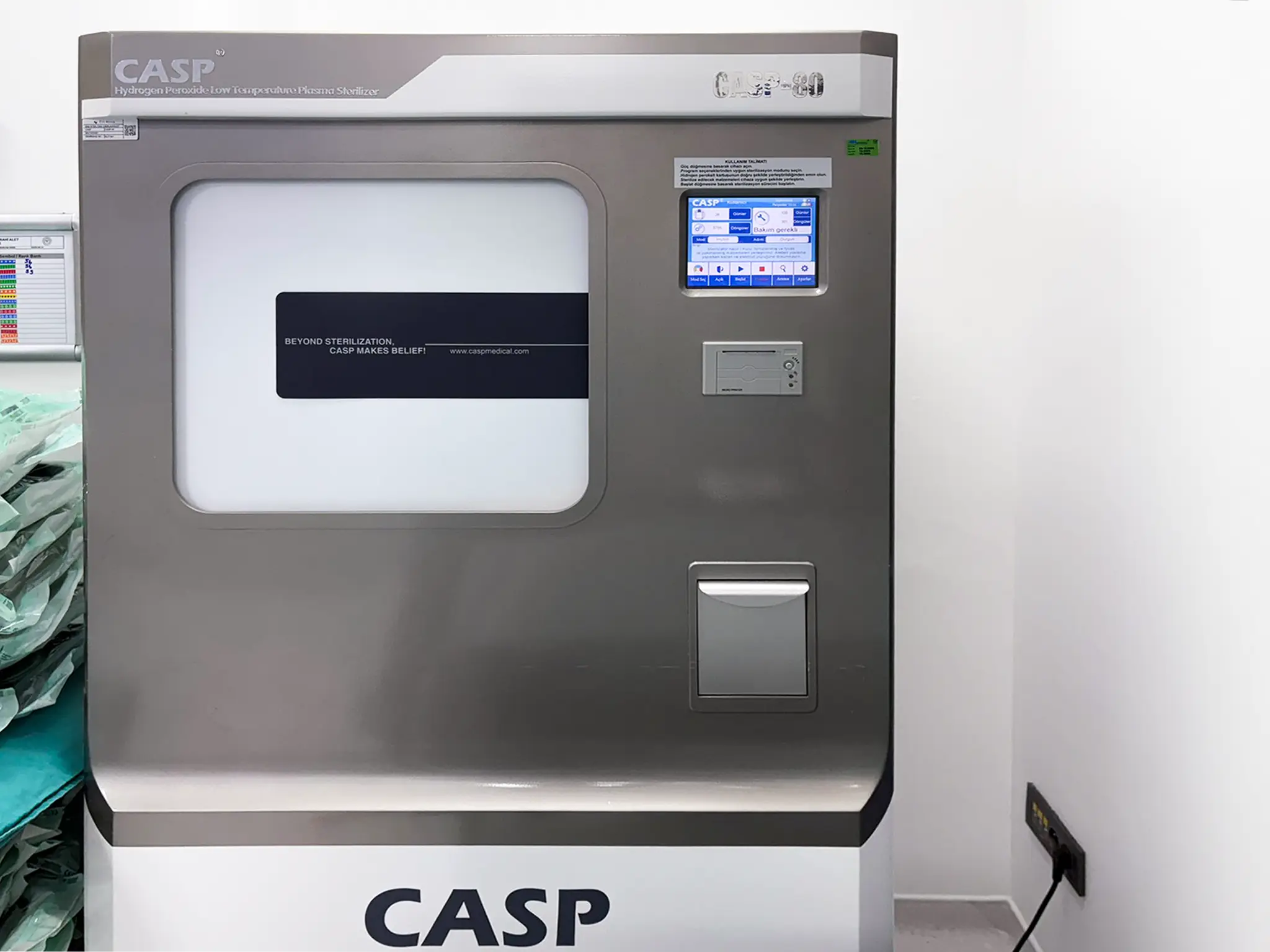
At Elithair, we utilise steam sterilisation in strict accordance with the Harvard Forest Autoclave Protocol. This approach ensures that all medical instruments are thoroughly sterilised, upholding the highest European standards of patient safety.
After an initial sterilisation cycle, the instruments are sterilised a second time and then packaged to maintain a sterile surgical environment. By taking this extra precaution, our medical teams are able to perform hair transplants with a minimal risk of infection, thereby ensuring optimal outcomes for every patient.
FUE vs FUT Hair Transplant: Why Elithair Uses the Modern Technique
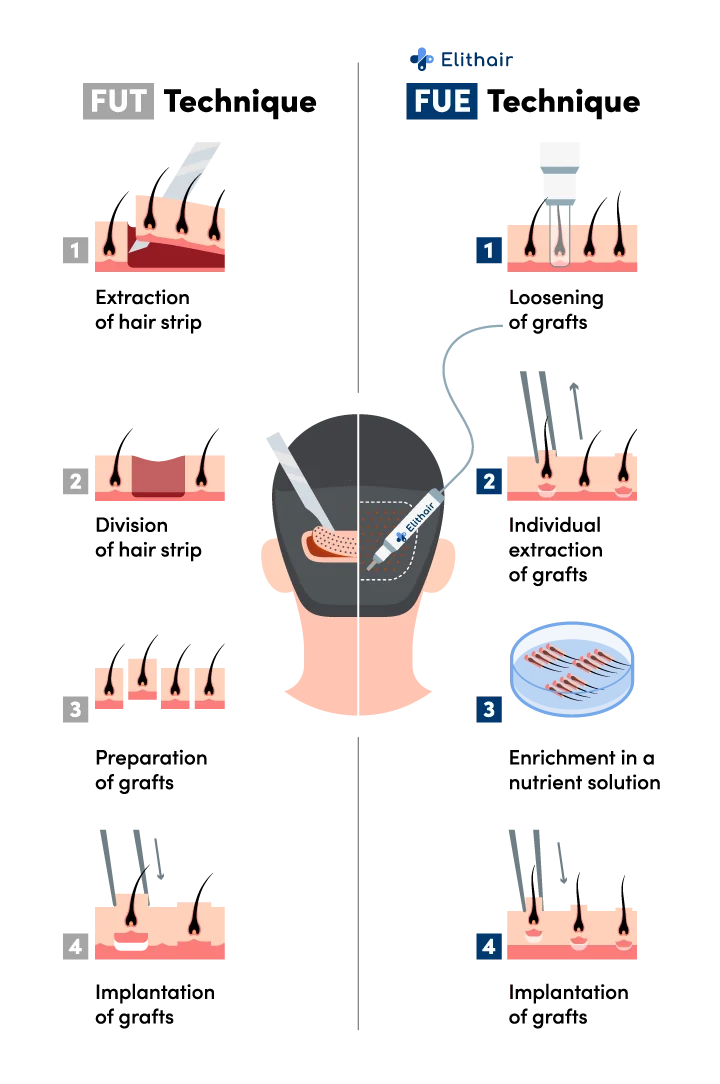
When it comes to hair transplantation, two primary techniques are used to harvest grafts: Follicular Unit Extraction (FUE) and Follicular Unit Transplantation (FUT). At Elithair, we exclusively use the modern FUE method to ensure the best possible results for our patients.
FUE involves carefully extracting individual hair follicles from the donor area using a precise hollow needle, measuring just 0.8-0.9mm in diameter. This advanced technique leaves behind tiny, barely noticeable circular marks, requires no stitches, and allows for faster healing. It also enables follicles to be taken from various parts of the body, offering greater flexibility for patients with limited donor areas.
In contrast, FUT involves removing a strip of scalp from the donor area, which is then divided into individual follicular units. While effective, this method leaves a visible linear scar, has a longer recovery time, and carries a higher risk of nerve damage.
By exclusively offering FUE, Elithair ensures minimal scarring, shorter downtime, and a smoother journey to restored confidence. Modern, precise, and minimally invasive, FUE is the clear choice for a natural-looking transformation.
Direct Hair Implantation (DHI): Advanced Graft Placement at Elithair
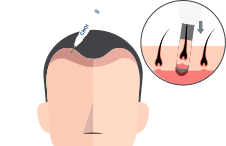
At Elithair, we exclusively perform implantations using the DHI (Direct Hair Implantation) technique. This is the most modern and effective technique for implanting grafts, which we find is suitable for most forms of hair loss facing our patients. With DHI, each graft is implanted using a specialised CHOI pen, which allows for the highest level of accuracy and leaves a natural-looking result. Unlike other methods, such as Sapphire, no channels need to be opened for the insertion of grafts. This allows for much faster healing.
At many other hair transplant clinics, you can often expect to pay extra for DHI, as it is typically offered as an option rather than the standard. At Elithair, we believe in only offering our patients the very best, and therefore you won’t encounter any hidden costs.
Hair Transplant Suitability Test: Are You a Good Candidate?
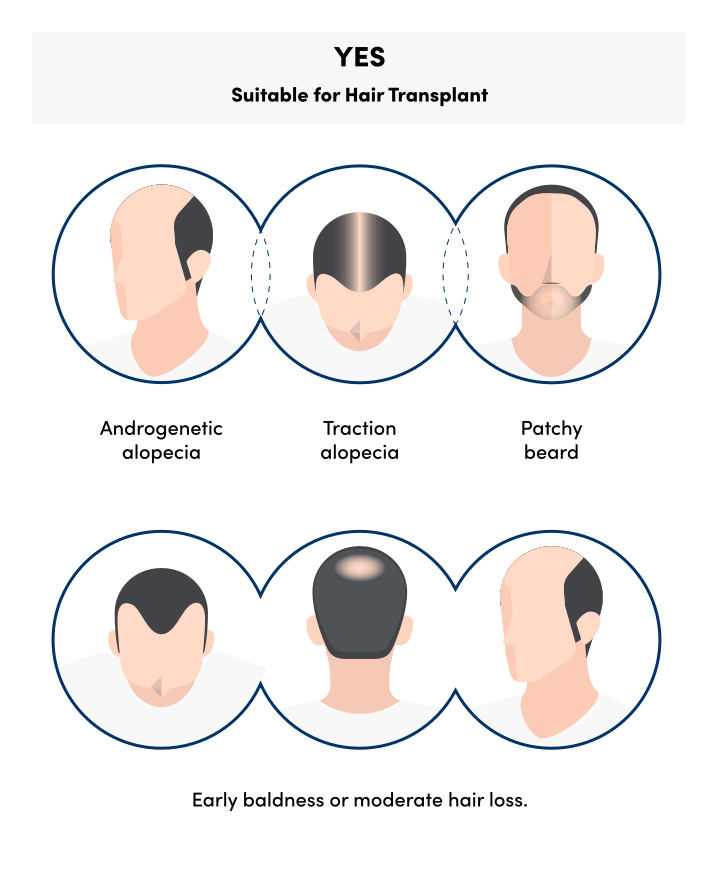
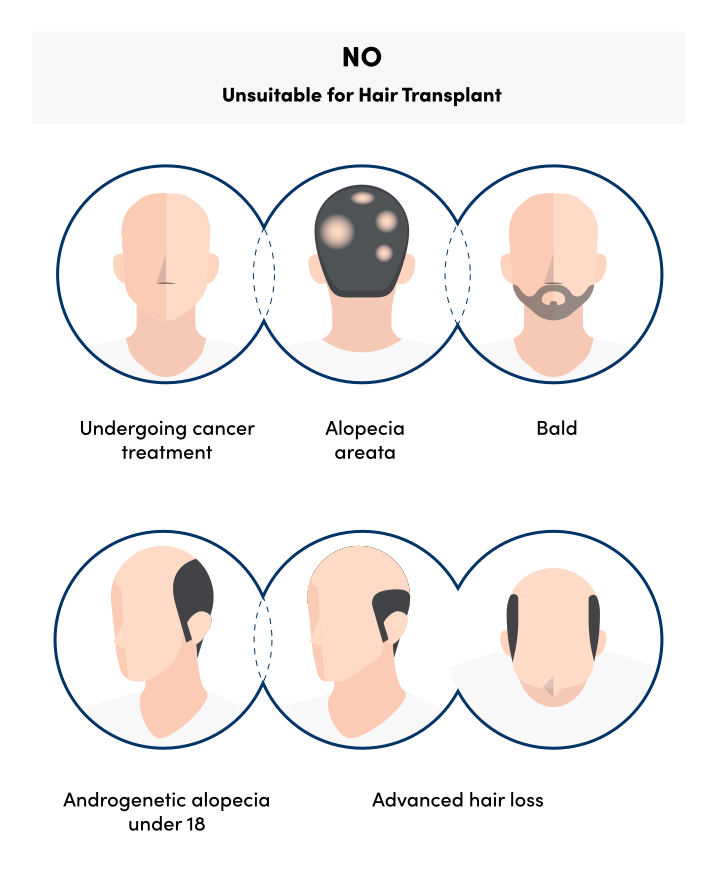
Hair transplants are a transformative solution for both men and women experiencing hair loss. For men, the leading cause is often androgenetic alopecia, a condition linked to genetics and hormones. Women can also face similar challenges, though their hair loss typically follows distinct patterns.
To be a suitable candidate, a healthy scalp and a sufficient supply of strong, healthy hair in the donor area are essential. Additionally, the recipient area should be free from scars or conditions that could hinder hair growth. While most individuals qualify for this minimally invasive procedure, a thorough evaluation is necessary to account for unique circumstances.
At Elithair, we ensure a comprehensive assessment with our exclusive Pre-Test System. This process includes 6 detailed analyses to determine your suitability and optimise your hair restoration journey. With expert guidance, you can confidently take the first step towards regaining your hair and self-assurance.
Free AnalysisHair Transplant Risks and Side Effects: What Patients Should Know
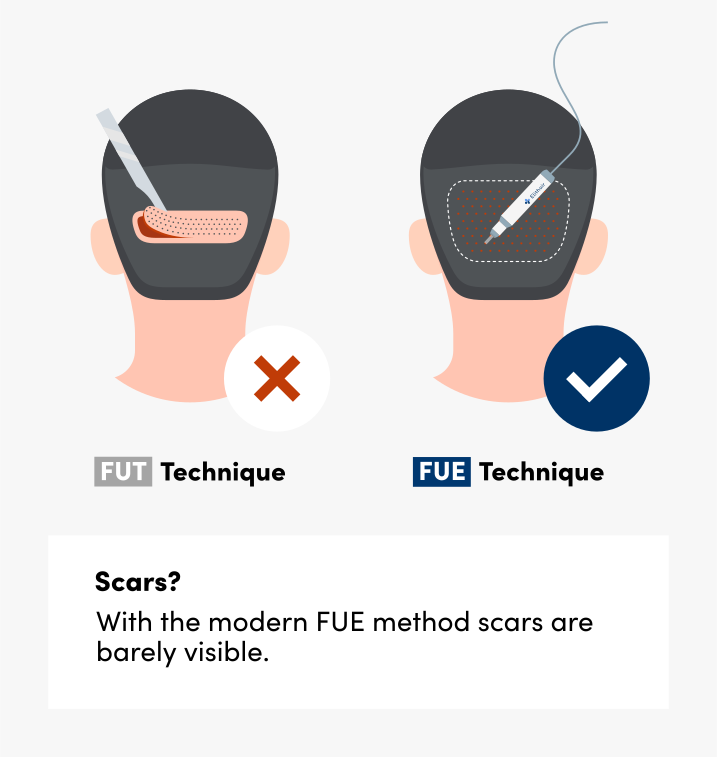
Hair transplantation is generally a safe and minimally invasive procedure that carries rare risks and side effects that patients should be aware of. One significant concern is scarring, which patients often worry about. However, with the modern FUE method (Follicular Unit Extraction), wounds heal quickly and leave virtually no scars.
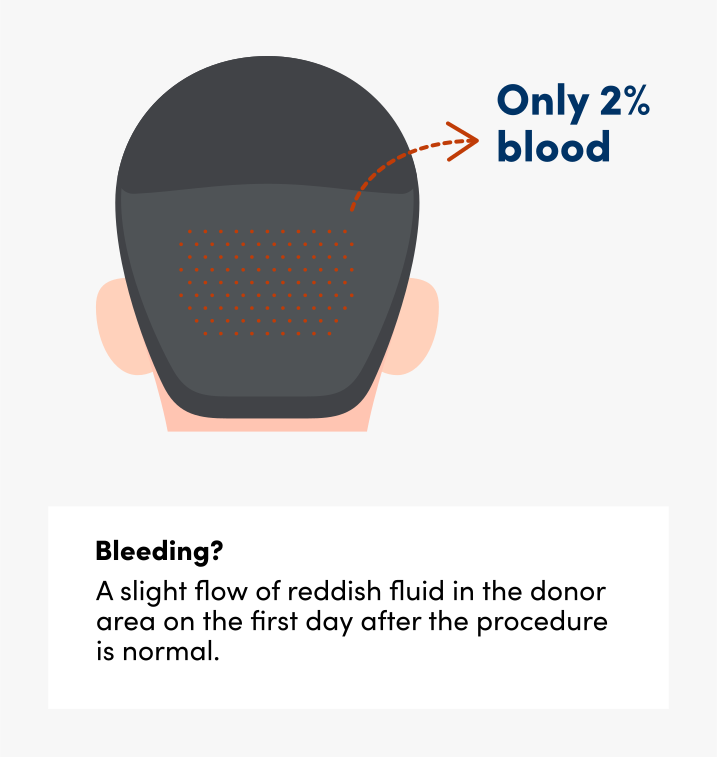
Another potential side effect is bleeding. A slight reddish fluid flowing into the donor area on the first day after the procedure on day one post-procedure is expected. This fluid consists of only 2% blood, while the rest is the saline solution from transplantation.
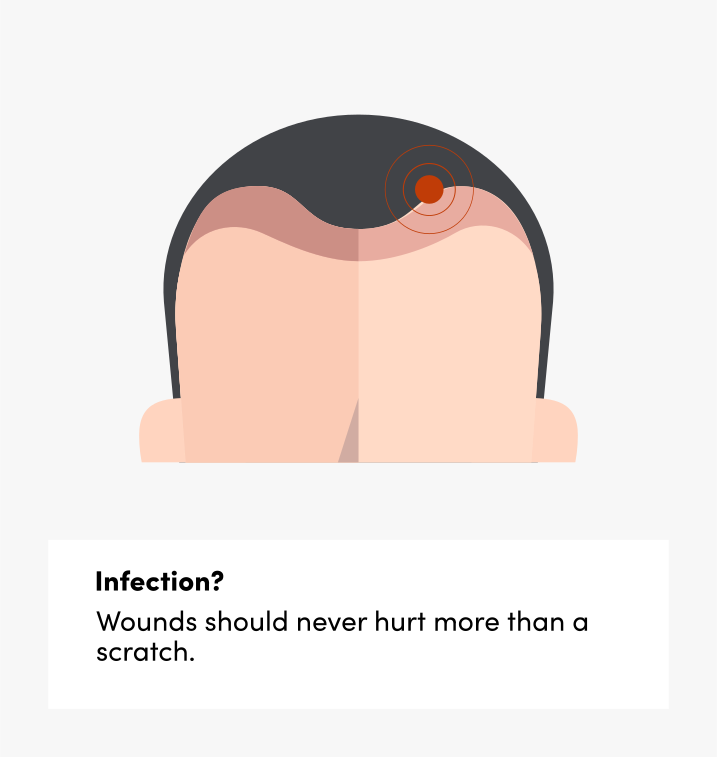
During the hair transplantation process, small red dots may appear on the scalp, caused by the grafts being inserted into the open channels in the recipient area. These dots usually disappear within a few weeks after the transplantation. It’s important to note that these small dots should never hurt more than a scratch. However, if signs of infection occur, such as increased pain, redness, or discharge, it’s important to seek medical attention immediately.
Post-transplant, there might be a mild tightness in the scalp – nothing overwhelming. Most patients report very little pain that can be effectively treated with pain relievers. Discomfort diminishes within a few days, allowing you to resume your regular activities faster than you would expect.
Does a Hair Transplant Hurt? Pain Management & Sedation Options
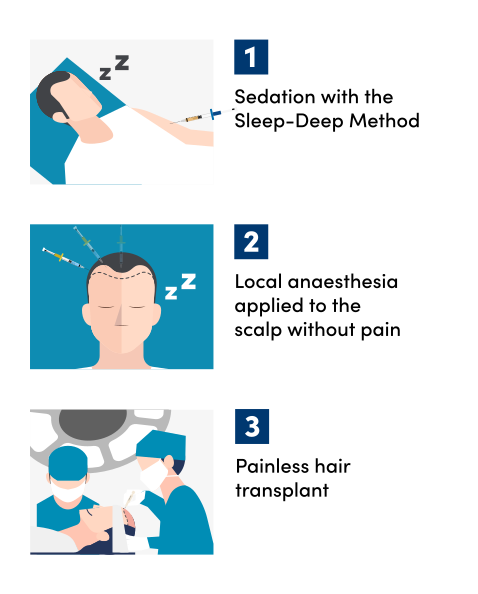
It’s natural to feel a little anxious about potential discomfort during a hair transplant. That’s why at Elithair, we’ve developed the exclusive Sleep-Deep Method, designed to make your experience completely pain-free.
This innovative approach begins with a dose of the anesthetic Propofol, gently putting you into a 15-minute deep sleep. While you’re relaxed, a local anesthetic is administered, so you won’t feel a thing. By the time you wake up, you’ll be ready for the hair transplant to proceed—completely pain-free.
Our patients love the comfort and ease this technique provides, and now you can experience it too, only at Elithair. Say goodbye to fear and hello to a seamless transformation.
Donor Area After Hair Transplant: Healing, Scarring & Shock Loss
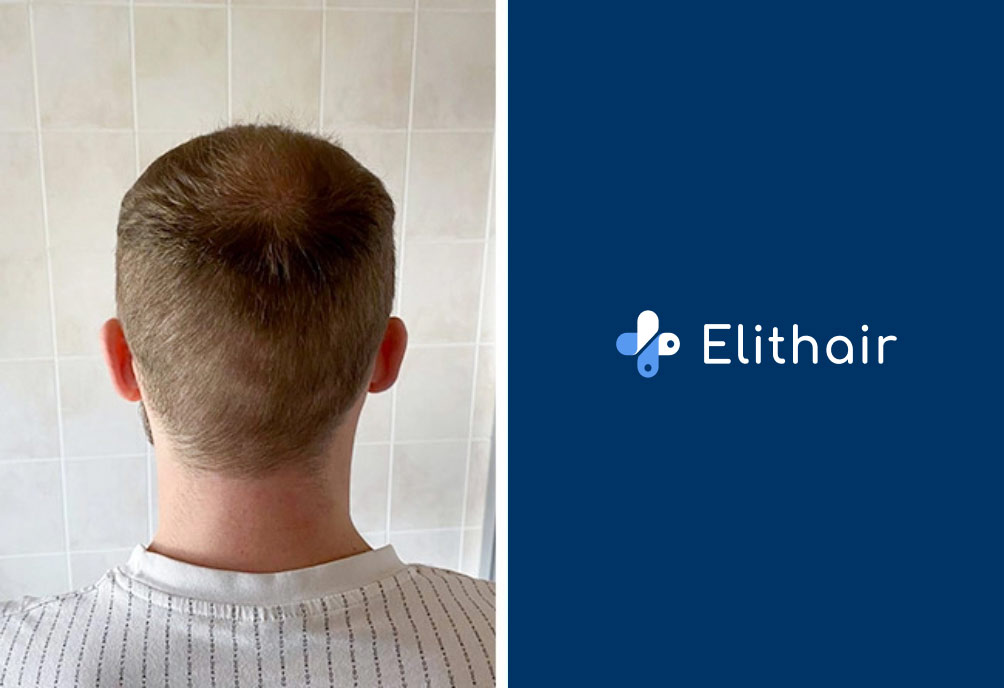
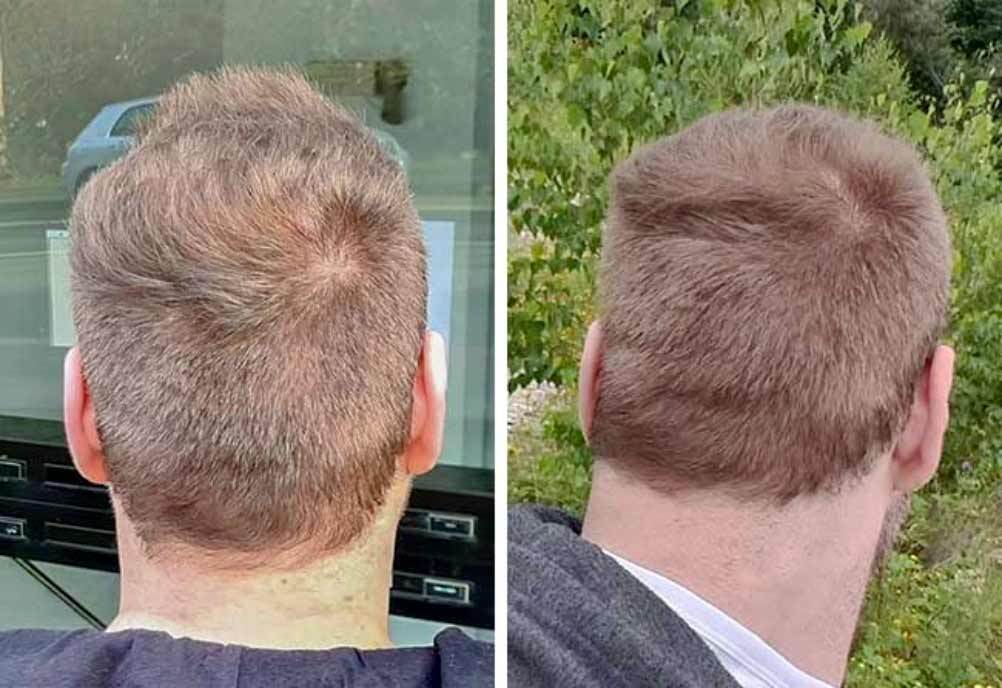
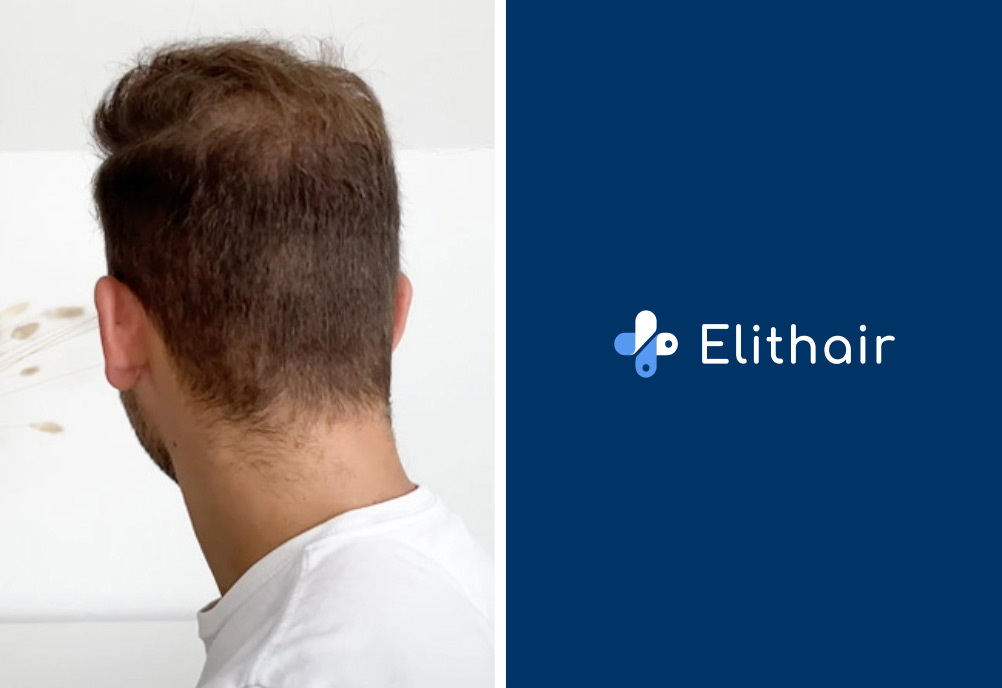
The donor area begins healing almost immediately after your hair transplant, with the tiny punctures from follicle extraction typically closing within a few days to weeks. Over time, the area gradually regains its natural appearance as the surrounding hair grows back, leaving minimal to no visible signs of the procedure.
In some cases, you might notice temporary hair shedding around the donor or recipient areas, known as “shock loss”. This common occurrence is a natural reaction to the procedure and doesn’t affect the long-term outcome, as the hair typically regrows stronger over time.
With proper aftercare and guidance from our expert team at Elithair, your donor area will recover smoothly, leaving you ready to enjoy your hair transformation with confidence.
See Our Before After Pictures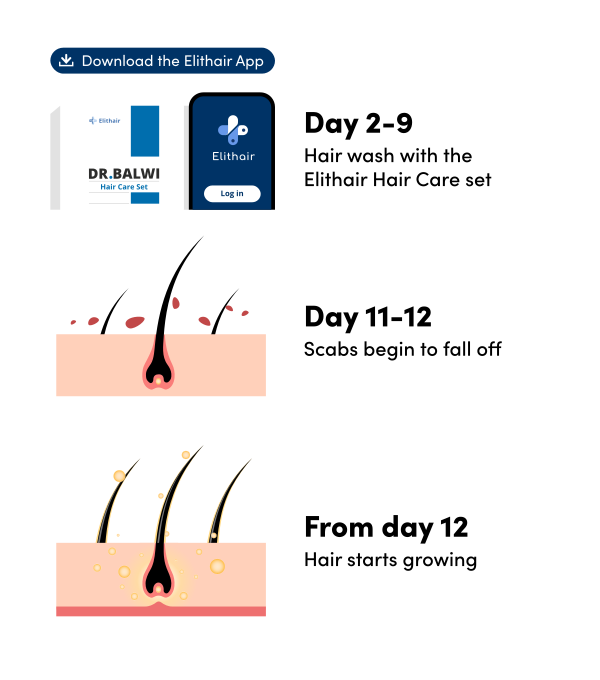
Hair Transplant Recovery Timeline: Healing Stages Week by Week
Your hair transplant recovery is quicker than you might think, with results that leave you feeling confident and refreshed. Just days after the procedure, the small incisions begin to heal, forming protective crusts that naturally fall away. Any temporary redness fades swiftly, blending seamlessly with your existing hair.
By day 12, with proper aftercare, healing is typically complete, leaving the transplanted area looking natural and integrated. Throughout your journey, Elithair provides expert guidance and support via our dedicated app, ensuring a smooth and stress-free recovery process as you take the next step toward revitalised, full hair.
Hair Transplant Aftercare Tips: What to Avoid in the First 14 Days

Direct exposure to the sun

Sauna & Solarium

Physical activity

Swimming

Alcohol

Styling products

Smoking
Looking after yourself in the first few days after a hair transplant is key to achieving the best possible results. Here’s what to keep in mind:
- Take it easy: Avoid strenuous activities that cause sweating or raise blood pressure, as these can affect the healing process and your grafts. This is the perfect time to rest and relax.
- Stay out of the sun: Protect your scalp from direct sunlight, as the treated areas are particularly sensitive and prone to irritation during recovery.
To support you every step of the way, Elithair provides personalised aftercare guidance from our experts and through the Elithair app. The app delivers helpful tips, reminders, and progress-tracking tools, including the ability to upload photos for our specialists to evaluate.
With Elithair, your well-being is always our priority, ensuring a smooth recovery and outstanding results.
How Much Does a Hair Restoration Cost? Transparent Packages at Elithair
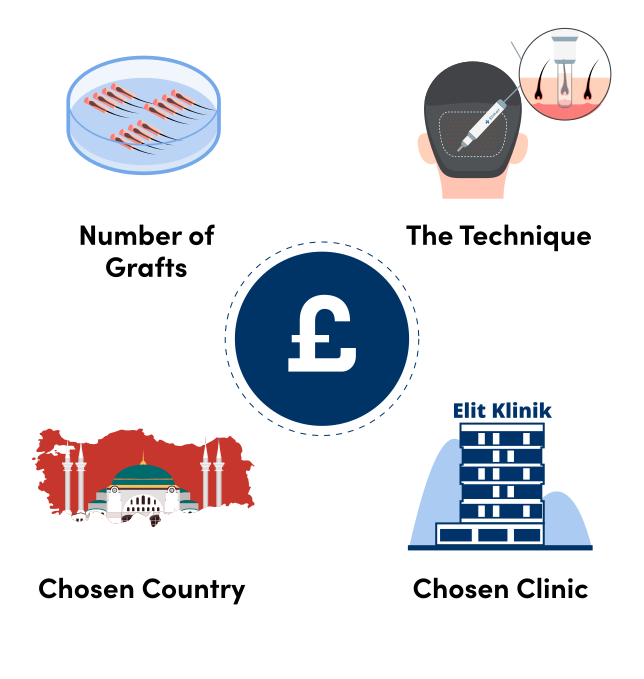
The cost of a hair transplant can vary depending on several factors unique to each individual. Turkey has become a popular and affordable destination for hair restoration, offering world-class treatments at a fraction of the cost compared to other countries.
At Elithair, we provide a personalised, detailed cost breakdown during your free, no-obligation consultation. Our experts will walk you through your tailored treatment plan, ensuring complete transparency and no hidden surprises.
Ready to take the first step? Contact us today to schedule your consultation and learn more about how we can help you achieve your hair restoration goals.
Achieve a Full Head of Hair with a Trusted Hair Loss Clinic
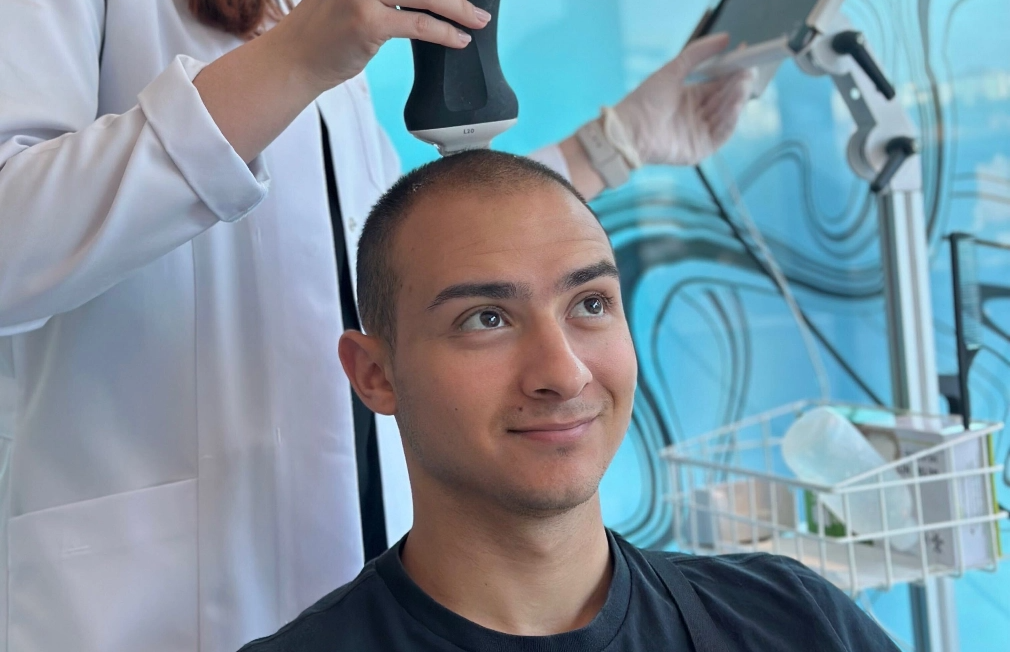
Hair transplantation is a safe, minimally invasive, and highly effective solution to hair loss. With advanced modern techniques, the procedure is painless, leaves virtually no visible scars, and delivers natural-looking results with impressive hair density.
The first step towards achieving your goals is choosing a skilled specialist and a reputable clinic—this decision sets the foundation for your transformation. At Elithair, we combine expertise with personalised care to ensure your journey is smooth and successful.
Have questions? Our industry-leading experts are here to help. Book a free, no-obligation consultation today and let us guide you towards fuller, more confident hair.
Contact Us
FAQ
What is a hair transplant and how does it work?
A hair transplant is a long-term hair loss treatment that restores hair in thinning or bald areas by relocating healthy follicles from a donor zone (usually the back of the head). These follicles are implanted into areas affected by androgenetic alopecia, creating natural, permanent regrowth.
Is hair transplant surgery permanent?
Yes, hair transplant surgery is considered a permanent solution because transplanted follicles are resistant to the hormone DHT, which causes pattern baldness. With proper aftercare, results can last a lifetime.
What are the main types of hair transplant?
The two most common types of hair transplant are:
-
FUE (Follicular Unit Extraction) – individual follicles are extracted with minimal scarring
-
FUT (Follicular Unit Transplantation) – a strip of scalp is removed, leaving a linear scar
At Elithair, only modern FUE is used for faster healing and natural results.
Why is FUE better than FUT?
FUE is often considered superior because it:
-
Leaves tiny, barely visible marks
-
Requires no stitches
-
Has quicker recovery
-
Offers flexibility for patients with limited donor hair
FUT may leave a noticeable scar and involves longer downtime.
What is DHI and why is it used for implantation?
DHI (Direct Hair Implantation) is an advanced implantation technique where follicles are inserted using a specialised CHOI pen. Unlike other methods, DHI does not require opening channels beforehand, meaning:
-
Higher precision
-
Faster healing
-
More natural hair density
Elithair offers DHI as standard with no hidden extra cost.
Is a hair transplant painful?
Most patients find the procedure comfortable. Elithair uses the exclusive Sleep-Deep Method, which includes a short sedation phase followed by local anaesthetic, making the process virtually pain-free.
Who is a good candidate for a hair transplant?
You may be suitable if you have:
-
Androgenetic alopecia (male or female pattern hair loss)
-
A healthy scalp
-
Strong donor hair supply
-
No severe scarring or scalp disease
A professional consultation and scalp analysis are essential before treatment.
What is the NEO FUE Set and why is it important?
Elithair’s NEO FUE Set is a pre-treatment preparation kit delivered before surgery. It includes serums and a derma roller designed to strengthen grafts and optimise the scalp, improving hair growth rates up to 98%.
Are there risks or side effects after hair transplant surgery?
Hair transplant surgery is generally safe, but minor side effects may include:
-
Temporary redness
-
Mild bleeding
-
Small scabs or dots
-
Shock loss (temporary shedding)
Infection is rare, especially under strict sterile protocols like those used at Elithair.
Will I have scars after a hair transplant?
With the FUE method, scarring is minimal. The tiny extraction points usually heal within days and are almost invisible once surrounding hair grows back.
What does the donor area look like after a hair transplant?
The donor area heals quickly. Small punctures close within a few days, and most patients experience minimal visible change. Temporary shedding can occur but usually resolves naturally.
How long does recovery take after a hair transplant?
Recovery is relatively fast:
-
Scabs form within the first few days
-
Redness fades quickly
-
Most healing is complete by around day 12
Elithair provides recovery support through its aftercare app.
What should I avoid after a hair transplant?
In the first days after surgery, avoid:
-
Direct sunlight
-
Sauna or solarium
-
Heavy exercise
-
Swimming
-
Alcohol and smoking
-
Hair styling products
Following aftercare instructions is essential for graft survival
How much does a hair transplant cost in Turkey?
Costs vary depending on:
-
Number of grafts needed
-
Hair loss severity
-
Technique used (FUE + DHI)
-
Personalised treatment plan
Turkey is a leading destination due to high-quality care at lower prices than the UK. Elithair provides transparent pricing during a free consultation.
Is a hair transplant the best hair loss treatment?
For many patients, a hair transplant is the most effective long-term hair loss treatment, especially when hair thinning is advanced. Non-surgical options like medication may help early-stage loss, but surgery offers permanent restoration.
How do I choose the right hair loss clinic?
When selecting a clinic, look for:
-
Modern techniques (FUE + DHI)
-
Strict hygiene and sterilisation protocols
-
Experienced surgeons
-
Transparent pricing
-
Comprehensive aftercare
Elithair follows European medical standards and provides personalised support throughout the journey.