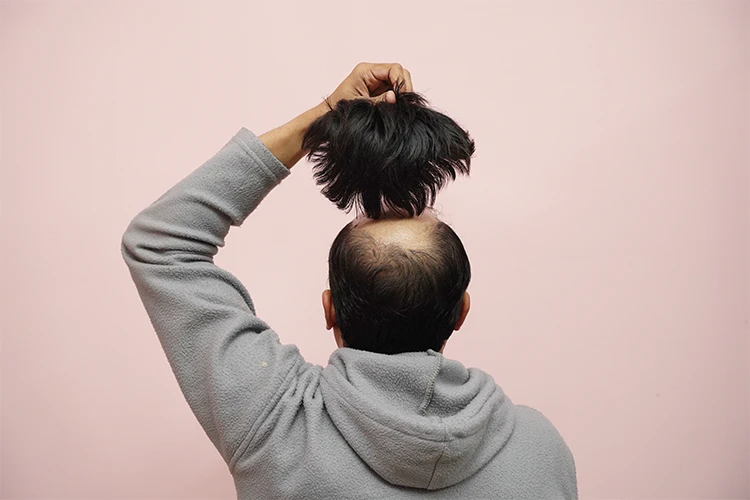
Wigs – Psychological Burden or Helpful Interim Solution?
Hair loss is more than just a cosmetic issue – it deeply impacts self-image. Many sufferers report that as their hair loss progresses, they no longer feel like themselves. Looking in the mirror is unsettling, insecurity sets in, and is often accompanied by social withdrawal, shame, or a feeling of loss of control.
During this phase, many resort to a temporary solution, such as wigs or hairpieces to conceal visible gaps, restore a sense of normalcy, and feel “whole” again. But how do people truly experience this phase? And is a wig more of a burden or a necessary interim step?
Sense of Identity & Self-Esteem: When Hair is Missing
Hair loss can drastically change self-image, regardless of gender:
- Men often perceive early baldness as a loss of youthfulness or attractiveness.
- Women report a profound feeling of alienation.
Wigs can help to stabilise self-esteem during this phase, but they can also trigger further loss of confidence. Many people who turn to wigs say the following:
- “I don’t recognise myself anymore.”
- “I’m afraid someone will notice.”
- “It feels like I’m wearing a mask for everyone else’s sake, but not my own.”
These statements show how closely hair loss is linked to identity and emotional stability.
Social Reactions & Stigma

Despite greater social openness, there is still some uneasiness surrounding wigs, especially when they are not worn voluntarily, but are due to illness or hair loss.
- Some sufferers fear uncomfortable questions or revealing glances.
- Others find constantly thinking about support, fit, or naturalness psychologically stressful.
- In some contexts (work, dating, leisure) a wig acts like a shield – but also like a constant reminder of the loss.
Not everyone feels that way. For many, a wig is an important tool for managing everyday life. But for some, it remains a symbol of transition, not the solution.
Temporary Solution or Real Change?

Wigs can provide temporary support, but they don’t solve the underlying problem, or satisfy the desire for real, growing, living hair. Many people affected by hair loss want a permanent change rather than a cosmetic replacement.
Advantages of wigs:
- Immediate visual effect
- No medical intervention required
- Various hairstyles are possible
Challenges:
- Daily effort & uncertainty in everyday life
- Restrictions on sports, intimacy, weather
- No real feeling of “own hair”
- For many, it remains an emotional stopgap.
Hair Transplantation: The First Step Towards Authenticity

Those who want to say goodbye to hair loss in the long term often eventually choose a hair transplant. It offers not only a permanent result, but also:
- the feeling of control and self-determination
- the opportunity to experience one’s own reflection as “real” again
- an emotional reconciliation with one’s own body
Modern procedures such as the FUE method and DHI technique enable natural results with high hair density and precise growth direction, without visible scars or artificial appearance.
Many report that they were only able to let go after their hair transplant, shedding the insecurity, the constant mask, the feeling of having to hide. Transition becomes decision. Avoidance becomes freedom.
Conclusion: Embracing Freedom and Identity
Wigs can assist, stabilise, and protect. But at the end of the day, you still have to take them off and look at yourself in the mirror. They can only ever be something that shows how much we yearn for authenticity, connection, and a coherent self-image.
Hair transplantation can permanently fulfill this wish. It doesn’t just replace lost hair, but often also a lost piece of identity. And that’s precisely what makes it more than just a procedure. It’s a personal turning point.
FAQs
How long can someone comfortably wear a wig each day?
Most people can comfortably wear a wig for 8–12 hours per day, depending on scalp sensitivity, wig construction, and fit. High-quality, breathable caps tend to be more comfortable for longer wear.
Do wigs cause or worsen hair loss?
Wigs themselves do not directly cause hair loss, but poor fit, excessive friction, or infrequent scalp care can irritate the skin and contribute to breakage or thinning. Choosing a well-fitted wig and maintaining good scalp hygiene helps prevent these issues.
How much maintenance does a wig require?
Synthetic wigs typically need gentle washing every 10–15 wears, while human-hair wigs require more frequent care, similar to natural hair. Both types benefit from proper storage, detangling, and regular cleaning of the inner cap.
Are wigs uncomfortable in warm or humid weather?
Some people experience increased warmth or sweating under a wig in hot weather. Lightweight caps, ventilated bases, and moisture-wicking wig liners can improve comfort significantly.
Can people exercise or swim while wearing a wig?
It is possible, but many find it inconvenient. Vigorous activity may loosen the wig or cause sweating, while swimming risks displacement or damage, especially to synthetic fibres. Some opt for specialised sports wigs or alternative head coverings during exercise.
How do people choose between synthetic and human-hair wigs?
Synthetic wigs offer lower cost and easy maintenance but have limited styling options. Human-hair wigs look more natural and can be heat-styled, but they are more expensive and require ongoing care. The choice depends on budget, lifestyle, and aesthetic priorities.
Can wearing a wig impact mental health positively?
Yes. For many, a wig provides immediate relief from the emotional strain of visible hair loss, helping them regain social confidence and function more comfortably in daily life. For others, it may feel like a temporary solution that does not fully resolve deeper psychological distress.
How do people emotionally transition from wearing a wig to undergoing a hair transplant?
Most describe a sense of anticipation and relief, viewing the transplant as the beginning of a more authentic, long-term solution. The wig often becomes a short-term coping tool while waiting for natural hair to grow after surgery.
Are there alternatives to wigs for the interim phase?
Yes. Options include hair fibres, partial toppers, scalp micropigmentation, or strategic hairstyles. These may feel more natural for some individuals, depending on the pattern and extent of hair loss.
How do people typically feel when removing the wig at home?
Many report mixed emotions: comfort from removing something restrictive, but also vulnerability when confronting their reflection. This contrast often reinforces the desire for a permanent and authentic solution.

Use our free online assistant tool to submit your hair loss concerns – it only takes a few minutes. We will provide you with a personalised no-obligation quote.
Get a Quote