
South Korea & Hair Loss: Should Hair be a Basic Right?
In South Korea, physical appearance is often the key to success. The phenomenon of “lookism”- discrimination based on appearance – is so deeply ingrained there that baldness can determine one’s professional career.
Now, an unprecedented political initiative is attracting worldwide attention. The South Korean government is intensively discussing whether health insurance companies should include the problem of hair loss in their services in the future. In this article, we’ll be looking at the arguments for and against this proposal, and what this could mean for access to aesthetic procedures.
The “Hair Election Campaign”: Why Hair Loss Became Political
What seems like a niche issue in Europe was a central campaign promise in South Korea’s presidential election. The Democratic Party proposed extending the national health insurance (NHIS) to include the treatment of hair loss .
Their reasoning was that the psychological stress in Korean performance-oriented society is so high that those affected often spend thousands of euros on questionable shampoos or laser therapies, while medically effective preparations have so far had to be paid for privately.
It is estimated that one in five South Koreans suffers from alopecia. Young men are particularly under pressure, as a “perfect” appearance is often expected at job interviews in Seoul. South Korean health insurance aims to ensure social justice regarding hair loss in this context.
The Social Relevance in South Korea

In South Korea, hair loss is not perceived as part of the natural ageing process, but rather as a medical condition. A thinning part is often associated with a lack of discipline or vitality.
This has led to South Korea becoming a global hub for hair cosmetics.
Nevertheless, experts are calling for basic medical care (such as the reimbursement of costs for various hair products like finasteride or minoxidil) to be supported by the state in order to prevent dangerous self-medication.
What We Can Learn from South Korea
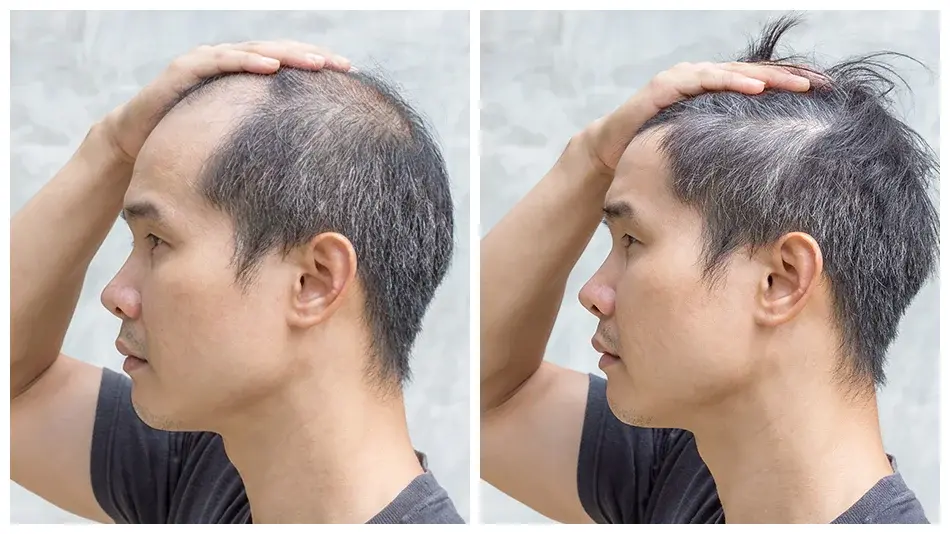
The debate clearly demonstrates one thing – hair loss is not about vanity, but a matter of mental health. While in the UK, the NHS does not cover hair transplants, the example of South Korea shows that modern medicine is finally taking the suffering seriously.
For many patients in the rest of the world, however, they must continue to pay for their hair restoration out of pocket. Therefore, thousands choose to travel to Turkey for a hair transplant each year.
Take Action Instead of Waiting: The Solution for Your Hair
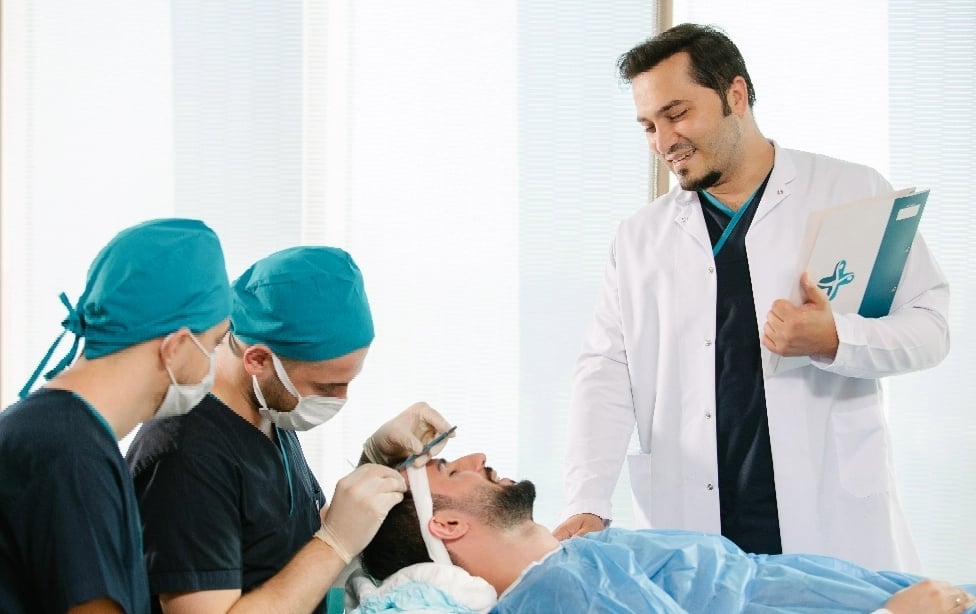
Whether the insurance in South Korea will ultimately cover all costs remains to be seen, but you don’t have to wait for a change in the law.
If you notice the first signs of hair loss, a thorough initial analysis is crucial. We always recommend that those suffering from hair loss consult with their GP and/or a dermatologist or trichologist before seeking any treatment.
At Elithair, you will also receive an expert assessment within minutes, based on thousands of successful treatments.
Conclusion: A Global Trend Towards Acceptance
The debate over whether health insurance in South Korea covers hair loss is a milestone for the global acceptance of hair loss as a medical problem.
It emphasises that full hair equates to a higher quality of life and self-confidence, a goal that we at Elithair pursue daily for our patients.
FAQs
What types of hair loss would be covered under the proposed South Korean health insurance reform?
The proposal primarily focuses on medically recognised forms of alopecia, such as androgenetic alopecia (male and female pattern baldness) and alopecia areata. The discussion appears to centre on covering clinically approved treatments like prescription medication rather than purely cosmetic procedures such as hair transplants.
Would cosmetic hair transplant surgery also be included in the insurance coverage?
At present, there is no indication that surgical hair restoration procedures would be fully covered. The political debate largely concerns reimbursement for medical treatments such as finasteride and minoxidil. Hair transplant surgery is still likely to be classified as a cosmetic procedure unless further reforms are introduced.
How much do hair loss treatments currently cost patients in South Korea?
Costs vary depending on the treatment. Prescription medication such as finasteride may cost several hundred euros per year, while laser therapies and cosmetic products can significantly increase expenses. Hair transplant procedures may cost several thousand euros, making them inaccessible for many without financial support.
Why is hair loss considered such a serious social issue in South Korea?
South Korea has a highly competitive, appearance-focused society where physical presentation can influence career opportunities, relationships and social status. In such an environment, visible hair loss may negatively impact self-esteem and professional prospects, particularly among young job seekers.
What are the arguments against including hair loss treatment in public health insurance?
Critics argue that public health funds should prioritise life-threatening or severe medical conditions rather than aesthetic concerns. Some also believe that hair loss is a natural part of ageing and should not be medicalised. Additionally, expanding coverage could place financial strain on the national health system.
How does South Korea’s approach compare with other countries?
Most countries, including the UK, do not cover hair transplant surgery under public healthcare systems unless hair loss results from trauma, burns or medical treatment such as chemotherapy. South Korea’s debate is therefore relatively progressive in recognising hair loss as a mental health concern rather than purely a cosmetic issue.
Is hair loss linked to mental health conditions?
Yes. Studies have shown that hair loss can contribute to anxiety, depression and reduced self-confidence. In societies where appearance plays a major social role, the psychological burden may be particularly high. This is one of the central arguments supporting insurance coverage.
Are there risks associated with untreated or improperly treated hair loss?
While hair loss itself is not physically dangerous, individuals may resort to unregulated treatments, counterfeit products or self-medication if proper medical care is unaffordable. This can lead to side effects, scalp damage or other health complications.
What medically approved treatments are currently available for hair loss?
The most widely recognised treatments include topical minoxidil and oral finasteride. In certain cases, low-level laser therapy or platelet-rich plasma (PRP) treatments may be recommended. Surgical hair transplantation is another long-term solution, depending on the stage and cause of hair loss.
What would wider insurance coverage mean for the global hair restoration industry?
If South Korea officially recognises hair loss as a condition deserving public healthcare support, it could influence other countries to reconsider their policies. This may lead to increased regulation, improved access to treatment and a broader acceptance of hair loss as a legitimate medical concern rather than a purely aesthetic issue.

Use our free online assistant tool to submit your hair loss concerns – it only takes a few minutes. We will provide you with a personalised no-obligation quote.
Get a Quote