Jarrell Miller’s Hair-Raising Win Against Kingsley Ibeh – Time For A Transplant?
There are many ways to deal with hair loss, ranging from medications like minoxidil and finasteride, to procedures like PRP treatments and even hair transplants. However, while weighing up their options, some people opt to conceal their balding with wigs and hair pieces.
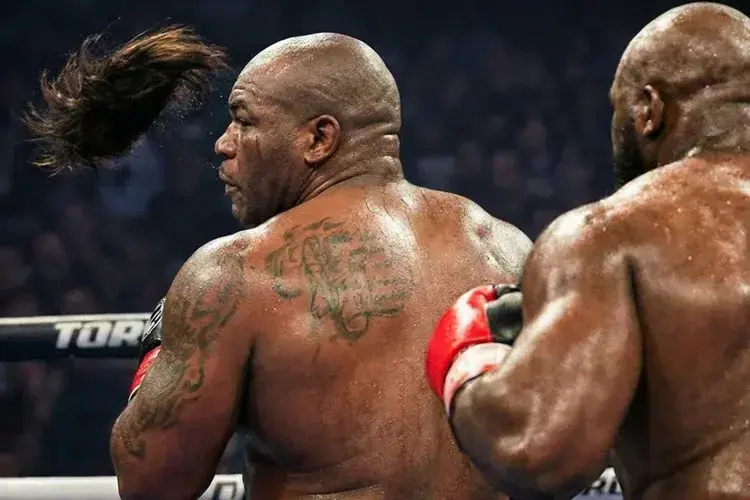
Such was the case of American heavyweight Jarrell Miller, who recently made headlines not just for his victory over Kingsley Ibeh at Madison Square Garden, but also for losing his toupee mid-fight. A nightmare come true for many sufferers of hair loss, in this article we’ll be discussing the hair-raising event and asking whether it’s time for Miller to consider transplantation.
Gloves On, Hair Off: How Jarrell Miller Lost His Hair in the Ring
It was in the second round of his fight against Kingsley “The Black Lion” Ibeh that Miller withstood a flurry of hits from his opponent. While the strikes seemed to cause little damage to the heavyweight, his toupee did suffer a casualty, and was sent flying into the air with the force of one of the blows.
In footage of the fight, commentators can be heard exclaiming “He’s losing his hair!” before the piece comes loose entirely. Miller, for his part, took the embarrassment in his stride, smiling to the audience.
Miller went on to win the fight, seeing out the remaining rounds proudly bald-headed, and even rubbing his bare dome in triumph when his victory was announced. Had he been defeated by Ibeh, however, the loss of his hair piece mid-fight might have stung harder.
While the media buzz around this surprising event will, in time, die down, a question remains – is it time for Miller to consider hair transplantation to avoid similar slips in future?
Round One: Hair Pieces Vs. Hair Transplants
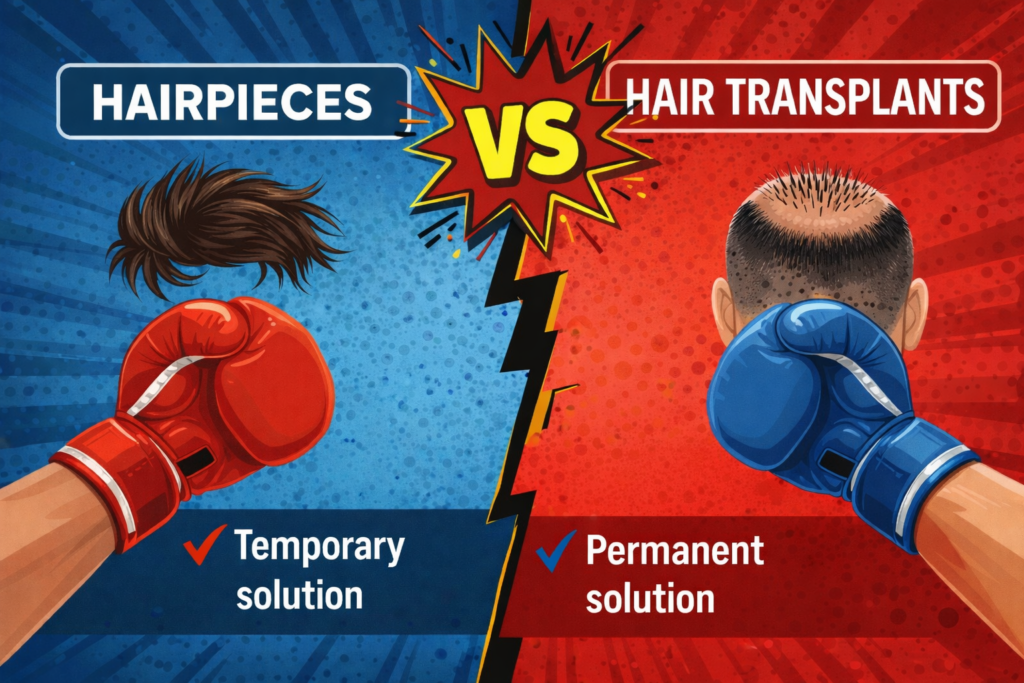
There are many reasons why someone might opt for a wig or hairpiece when suffering from hair loss. There is a wide variety of styles and types available, allowing wearers a great deal of flexibility when it comes to how they want to look. One day you could be blond, the next brunette; short or long, the choice is yours.
Hairpieces also have a large variety in cost, ranging from relatively inexpensive synthetic and “hard front” wigs, to more realistic and costly human hair wigs and pieces. But, regardless of appearance and costs, these can only ever be temporary solutions to a permanent problem.
If you are suffering from androgenetic alopecia, AKA male pattern baldness, there is no cure. This is a hereditary form of hair loss, for which the only permanent solution is a hair transplant. Hair transplantation utilises hair from the “donor area” at the back of a patient’s head, which is unaffected by genetic hair loss. This is then implanted into the balding areas.
Modern techniques like FUE and DHI mean that the procedure is minimally invasive and leave little to no scarring. However, while the cost of hair transplantation varies between clinics and countries, it is regarded as being significantly more expensive than hairpieces. But does this belief hold up under pressure? Let’s take a closer look.
Round Two: Comparing the Costs
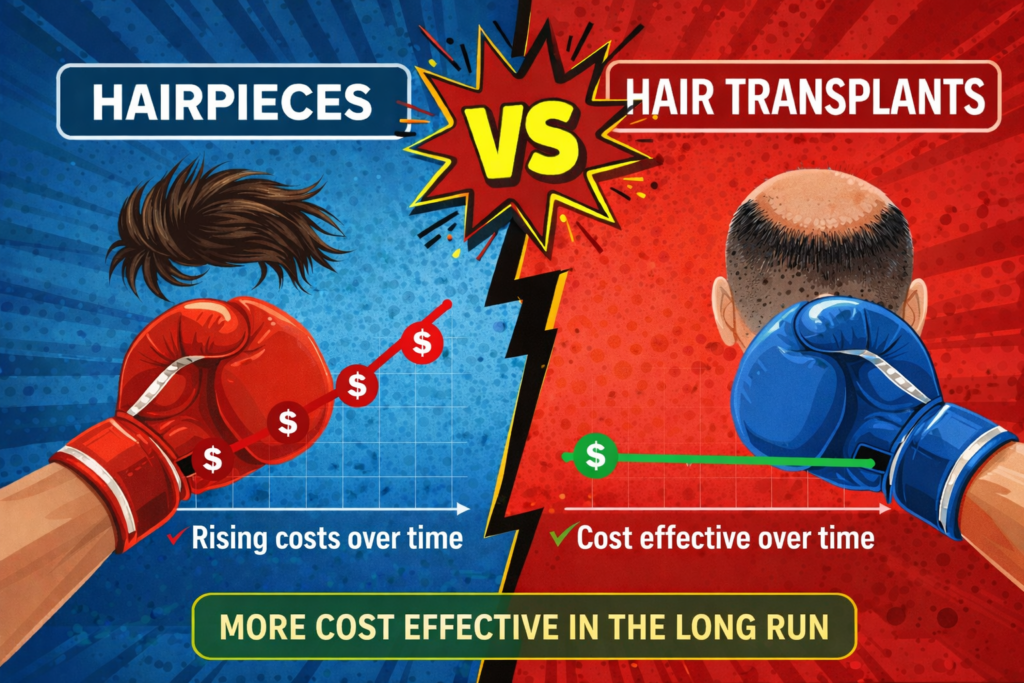
On the face of things, hair transplants look like a much larger investment as a one-off payment. For example, in the UK, a full human hair wig can set you back as much as £1,000. In certain cases, the NHS can cover up to £310.55, but this is not offered to patients suffering from androgenetic alopecia.
Synthetic wigs are far more cost effective, with good quality synthetic wigs running for a few hundred pounds. However, human hair wigs typically only last 1-3 years before signs of wear and tear begin to show. Synthetic wigs are not nearly as durable, often lasting only up to a year at most.
This means that, by opting for wigs, you could be paying anything from a few hundred pounds to over a thousand a year. Meanwhile, hair transplants at Elithair start at £2,850 and are permanent. What you pay over years of wearing wigs could instead be spent on an enduring solution to your hair loss.
Knock-Out: Why Hair Transplantation is the Choice of Champions
It remains to be seen whether or not this mishap will cause Jarrell Miller to take the leap and undergo a hair transplant procedure. If he does, he’ll not only be celebrating a victory over Kingsley Ibeh, but over a condition that will otherwise require concealing beneath hairpieces.
If you’re a hair loss heavyweight yourself, you can contact one of our experts today to discuss your options and get back in the ring with unbeatable confidence. Alternatively, check out our guide to getting a hair transplant in Turkey.
FAQs
How long does a hair transplant procedure take and what is the recovery time?
A typical hair transplant procedure, such as FUE or DHI, can take between 4 to 8 hours depending on the extent of hair loss and the number of grafts required. Recovery time is relatively short, with most patients able to return to normal activities within a week. Minor redness or scabbing usually resolves within 10 to 14 days, and new hair growth becomes noticeable after 3 to 4 months.
Are hair transplants suitable for everyone experiencing hair loss?
Hair transplants are generally suitable for individuals with sufficient donor hair at the back or sides of the scalp. However, candidates with diffuse hair loss, certain medical conditions, or unrealistic expectations may not be ideal. A consultation with a specialist is essential to determine the best approach.
Can hair transplants be combined with other hair loss treatments?
Yes, many patients choose to combine hair transplantation with treatments like minoxidil, finasteride, or PRP therapy to enhance results and slow further hair loss. These combined approaches can help maintain existing hair while improving density in thinning areas.
What are the risks or side effects associated with hair transplants?
Hair transplants are considered safe, especially when performed by experienced surgeons. Possible side effects include temporary swelling, redness, itching, and minor scarring. Infection and poor graft survival are rare but can occur. Proper aftercare is important to minimise risks.
How do hairpieces compare to hair transplants in terms of appearance and naturalness?
High-quality hairpieces can offer a very natural appearance and allow for versatile styling. However, they require ongoing maintenance and can sometimes be detected upon close inspection. Hair transplants provide a more permanent, natural look because the hair is your own and grows naturally over time.
What maintenance is required for hairpieces compared to hair transplants?
Hairpieces need regular cleaning, styling, and sometimes adhesives or fittings to remain secure and look natural. They often need replacement every 1 to 3 years depending on quality. In contrast, transplanted hair requires minimal maintenance beyond standard hair care, as it behaves like natural hair.
How long does transplanted hair last?
Once successfully transplanted, hair follicles are generally permanent because they are taken from areas resistant to balding. Transplanted hair can last a lifetime, though natural ageing and hair thinning elsewhere may still occur.
What costs are typically involved with hair transplants beyond the initial procedure?
Besides the upfront cost, some patients may require follow-up treatments or medications to maintain results. However, these costs are usually significantly lower than the recurring expenses associated with hairpieces or wigs.

Use our free online assistant tool to submit your hair loss concerns – it only takes a few minutes. We will provide you with a personalised no-obligation quote.
Get a Quote