
Hair Transplantation in Overweight Patients: What You Need to Know
Hair transplantation is considered a minimally invasive procedure, but being overweight can affect the process. An elevated body mass index (BMI) alters metabolism, blood pressure, and blood circulation. These factors are crucial for tolerating the anesthesia and for subsequent healing .
Of particular relevance are accompanying illnesses such as type 2 diabetes or hypertension . Both can delay wound healing and increase the risk of infection. Therefore, in overweight patients, it is carefully checked beforehand whether their blood levels and medications are optimally adjusted. In this article, we’ll be going through what overweight patients can expect from the hair transplant process.
- What Risks are There for Overweight Patients?
- Safety at Elithair
- How Does a Hair Transplant Work for Overweight People?
- Healing Process: What Should Overweight Patients be Aware of?
- Consultation: Why Metabolism is Checked Before Surgery
- Hair Transplantation as Empowerment
- Elithair: Expertise for all Needs
- Conclusion: A Safe Way to Achieve a New You
- FAQs
What Risks are There for Overweight Patients?
Increased strain on the circulatory and respiratory systems
A longer operating time can be more strenuous in cases of obesity. The heart and lungs work under higher pressure. Therefore, continuous monitoring within the operating room is essential.
Slower wound healing
Excess weight can impair microcirculation. This means that grafts need more time to grow in and become stable. Minor swelling or redness may persist longer.
Higher risk of infection
A weakened immune system or chronic inflammation can increase susceptibility to infections. Therefore, hygiene standards and consistent follow-up care are particularly important.
Safety at Elithair
To ensure the best possible control of these risks, Elithair relies on:
- Pre-test system for checking blood and circulatory values before surgery
- Continuous monitoring of heart and breathing during the procedure
- Strict hygiene standards: All instruments are sterilised according to the Harvard autoclave protocol, and the operating rooms meet the highest European standards. This consistently minimises the risk of infection.
- Elithair App: A digital aftercare app that closely monitors healing processes.
This allows potential problems such as prolonged recovery or infection risks to be identified early and treated effectively.
How Does a Hair Transplant Work for Overweight People?
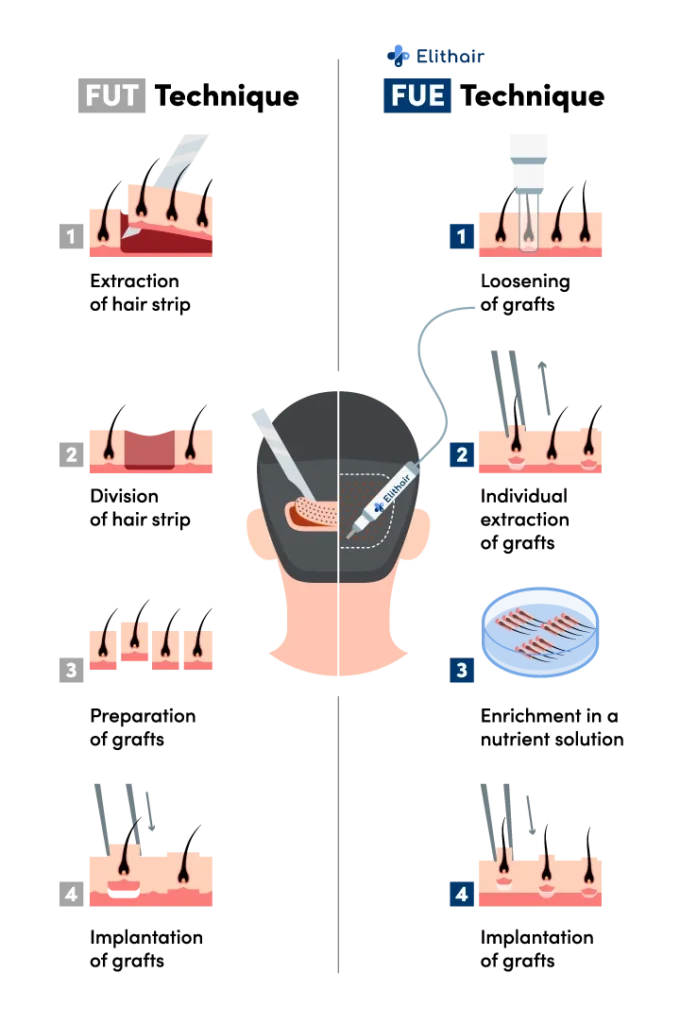
Will the anesthesia be adjusted?
Anesthesia is always individually dosed. In cases of obesity, continuous monitoring of circulation and respiration is particularly important. Specialised clinics like Elithair employ clear safety protocols to prevent complications.
Will the surgery take longer?
Depending on the donor area and technique, a hair transplant can take several hours. At Elithair, obese patients benefit from structured teams that work in shifts and allow breaks without compromising the quality of the procedure.
Healing Process: What Should Overweight Patients be Aware of?
Does it prolong the healing process?
Yes, it can take longer for swelling and scabs to completely subside. However, the transplanted hair follicles will grow permanently, even in cases of excess weight. Patience is important, as the final result is only visible after 9 to 12 months.
What role do diet and lifestyle play?
A balanced diet with sufficient vitamins and minerals supports blood circulation. Regular exercise improves the oxygen supply to the scalp and has a positive effect on healing.
Consultation: Why Metabolism is Checked Before Surgery

A hair transplant is more than just a cosmetic decision. For those who are overweight, a thorough assessment of metabolism and the cardiovascular system is part of the preparation. This includes, among other things:
- How stable are blood sugar and blood pressure?
- Which medications are taken regularly?
- Are there any indications of metabolic syndrome?
To ensure patients are optimally prepared, Elithair uses a pre-test system. Before the procedure, blood values, cardiovascular parameters, and other relevant factors are checked. This allows risks to be identified and ruled out in advance.
Especially for overweight people, this individual safety check is a crucial step to ensure the surgery can be performed without complications.
Hair Transplantation as Empowerment
A hair transplant for overweight individuals is not just an aesthetic change. For many affected individuals, it means regaining control over their own appearance.
Especially when body weight has been a challenge for a long time, restoring a natural hairline can send a strong signal to one’s self-esteem.
Elithair: Expertise for all Needs
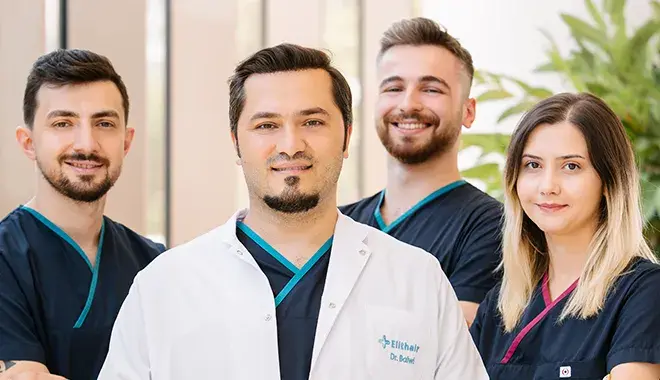
Not every patient has the same health conditions. Elithair specialises in safely managing even complex situations such as obesity. Under the direction of Dr. Abdulaziz Balwi, the following services are provided:
- Strictly tested surgical standards: All procedures are performed according to clearly defined medical guidelines that guarantee the highest safety and quality.
- Specialised medical teams: Every operation is accompanied by experienced specialists who are specifically trained for complex cases and have thousands of routine procedures.
- Digital aftercare: The Elithair app enables close monitoring after surgery, including photo checks, reminders and direct consultation with the medical team.
- State-of-the-art methods such as the FUE method and DHI technique: These methods ensure natural results with a high growth rate – even in challenging initial situations.
This combination creates a holistic treatment concept that not only guarantees medical safety but also delivers convincing before-and-after results. Patients thus gain not only new hair but also new self-confidence – with results that are visible at first glance.
Conclusion: A Safe Way to Achieve a New You
Being overweight or obese does not make you ineligible for hair transplantation. However, it requires particularly careful preparation, strict safety standards, and patience during the healing process. Crucial to success is not just the technique itself, but a holistic assessment of the individual’s health.
With a structured pre-test system, strictly monitored surgical procedures, and comprehensive aftercare, Elithair creates optimal conditions even for patients with special needs. This results not only in natural-looking outcomes but also in the reassurance of being in good medical hands.
Ultimately, it’s about more than just new hair, it’s about quality of life, self-determination, and a decision that lasts in the long term.
FAQs
Is there a maximum BMI for undergoing a hair transplant?
There is no universally fixed BMI limit. Suitability depends more on overall health, cardiovascular stability and metabolic control than on weight alone. Each case is assessed individually during the medical consultation.
Should overweight patients lose weight before a hair transplant?
Weight loss is not mandatory, but improving overall health can positively influence healing and reduce risks. In some cases, doctors may recommend lifestyle adjustments before surgery to optimise conditions.
Does being overweight affect the final aesthetic result?
No, excess weight does not negatively impact the long-term appearance or permanence of transplanted hair. Once the follicles have successfully healed, they grow naturally regardless of body weight.
Are certain hair transplant techniques better suited for overweight patients?
Minimally invasive techniques such as FUE and DHI are particularly suitable, as they cause less trauma, allow faster healing and reduce the risk of complications compared to older surgical methods.
Is the recovery period longer for obese patients?
In some cases, yes. Swelling, redness or scabbing may persist slightly longer due to reduced microcirculation. However, this does not affect the survival of the grafts or the final result.
Does obesity increase the risk of graft failure?
Not directly. As long as blood supply and wound healing are adequately supported and medical conditions are well managed, graft survival rates remain high.
Can overweight patients undergo large sessions with many grafts?
Yes, but session size is planned carefully. Medical teams may divide the procedure into structured phases or include breaks to reduce physical strain and ensure safety.
Are there special aftercare instructions for overweight patients?
Yes. Overweight patients are often advised to pay closer attention to hygiene, scalp care, nutrition and gentle movement. Digital aftercare tools can help identify any delays in healing early.
Does excess weight affect the donor area?
Generally, no. The quality of the donor hair is determined by genetics rather than body weight. However, access and positioning during surgery may require additional planning.
Can a hair transplant motivate healthier lifestyle changes?
For many patients, yes. Regaining confidence through aesthetic improvement can act as a catalyst for adopting healthier habits, including improved diet and increased physical activity.

Use our free online assistant tool to submit your hair loss concerns – it only takes a few minutes. We will provide you with a personalised no-obligation quote.
Get a Quote